

The Economist disappointed me this week.
In a piece reacting to the escalating trade-war between Canada and USA, the basic message was this: Canada is smaller, weaker, and cannot prevail. All true if you think about size of economy, productivity, military might, and all the usual measures.
But have we learned nothing from Hormuz? In war, having a willingness to fight and endure pain might be the most important ingredient.
To Americans, this trade escalation is just another headline in an endless flood of political noise. To Canadians, it is a direct and clear affront to our sense of sovereignty.
A willingness to suffer changes the calculus of asymmetrical conflicts. North of the border, I see a largely united Canada. South of the border is unrivalled dysfunction.
Until next week friends.
—
Canadians will be more inclined to suffer pain in this unfolding drama.
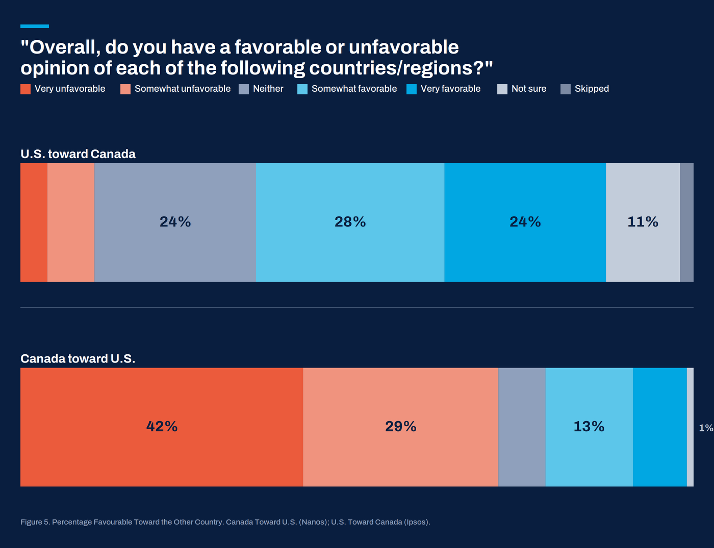
Source: New North America Initiative
Canada isn’t lacking in leverage.
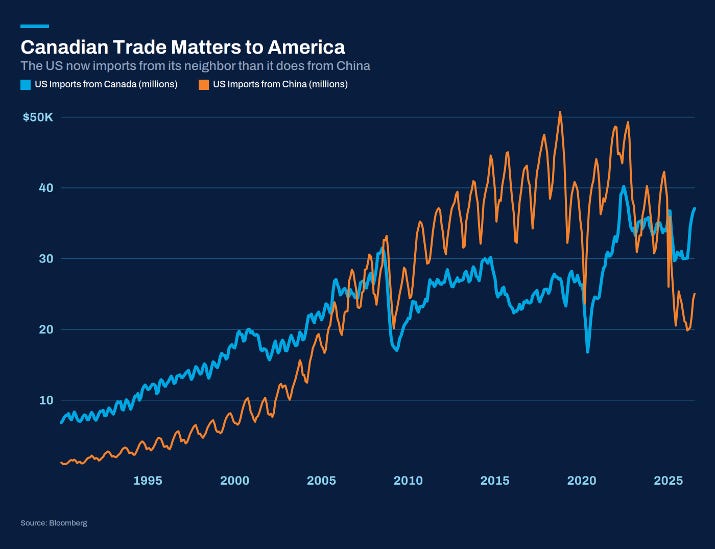
Source: Bloomberg
Public support for data center construction has collapsed.
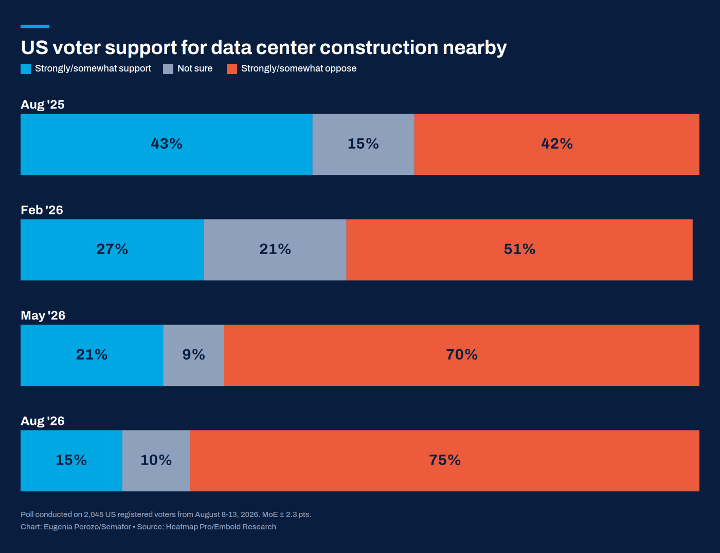
Source: Semafor
It’s helpful to put the impact of AI queries in context.
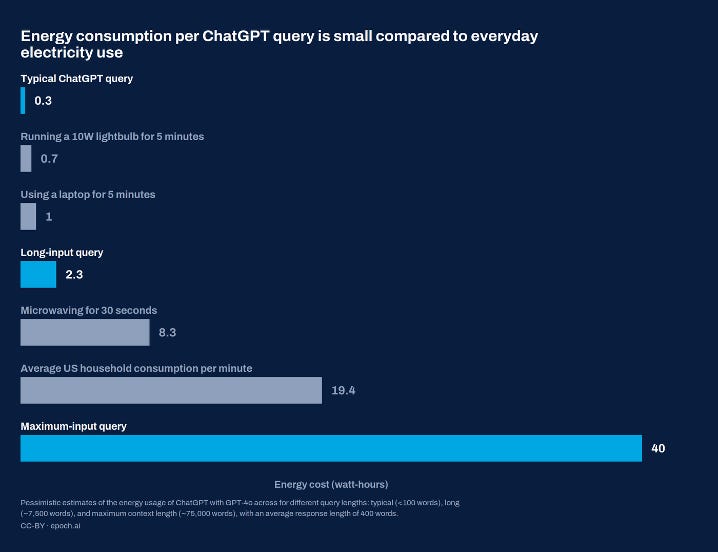
Source: Hannah Richie
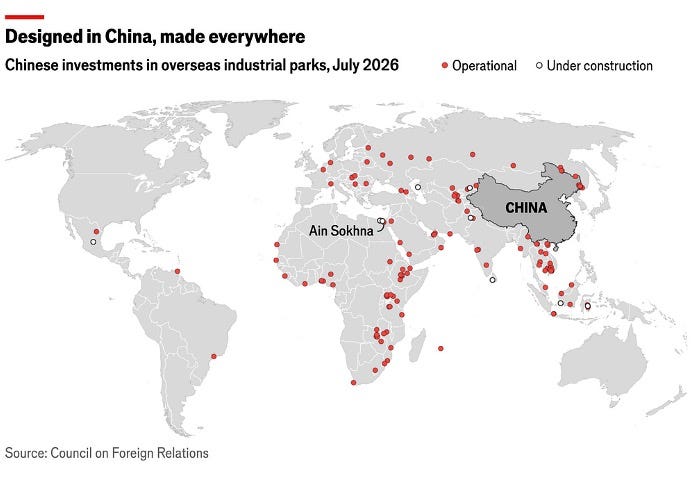
China’s playing the long game. And the energy transition is core to that strategy.
Source: The Economist
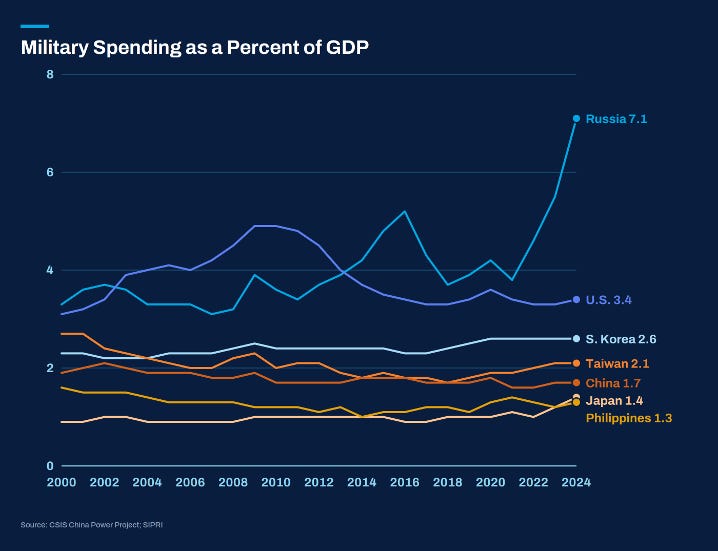
The US (3.4%) vs. China (1.7%) is the most interesting comparison.
Source: China Power
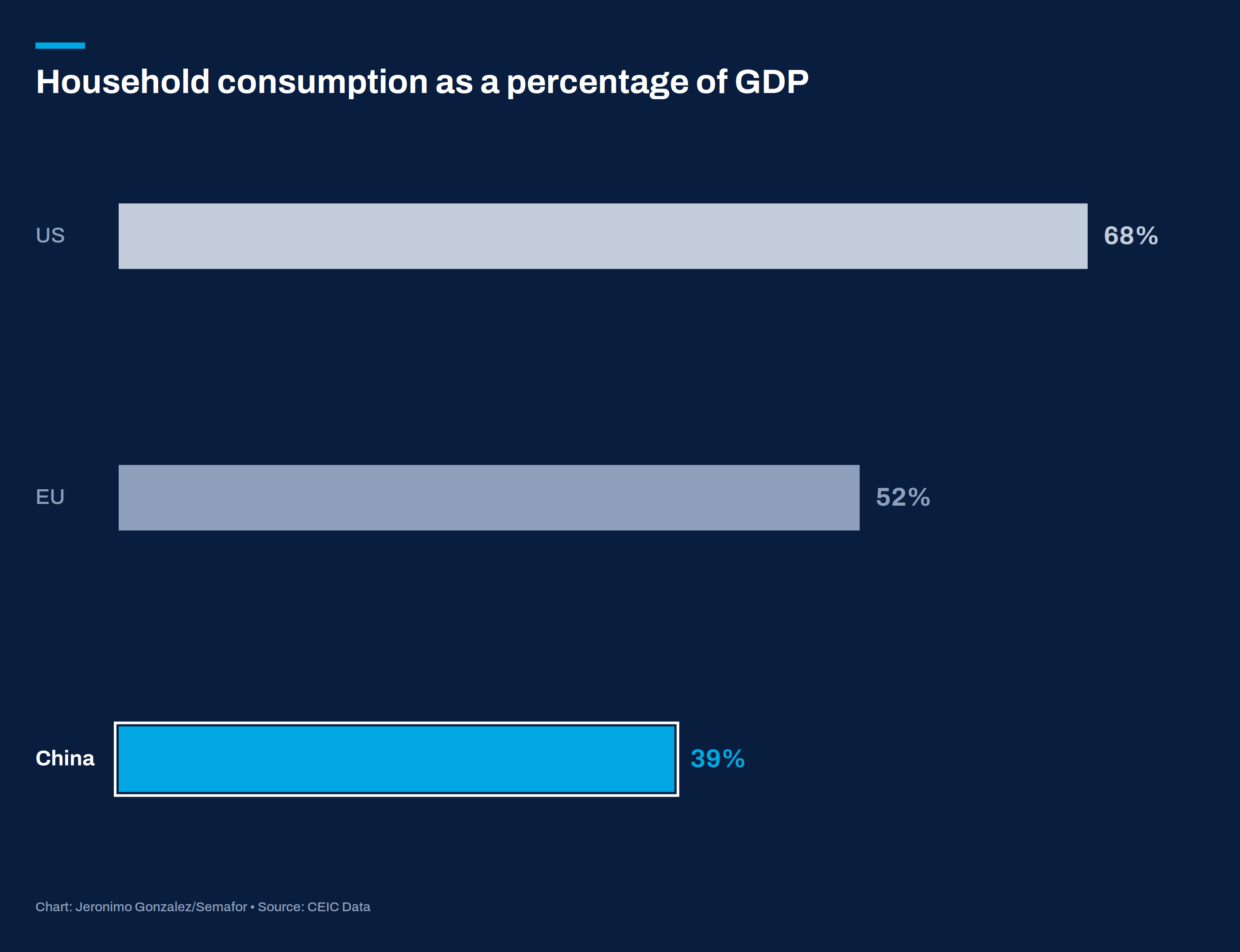
Is this Xi’s biggest challenge?
Source: Semafor
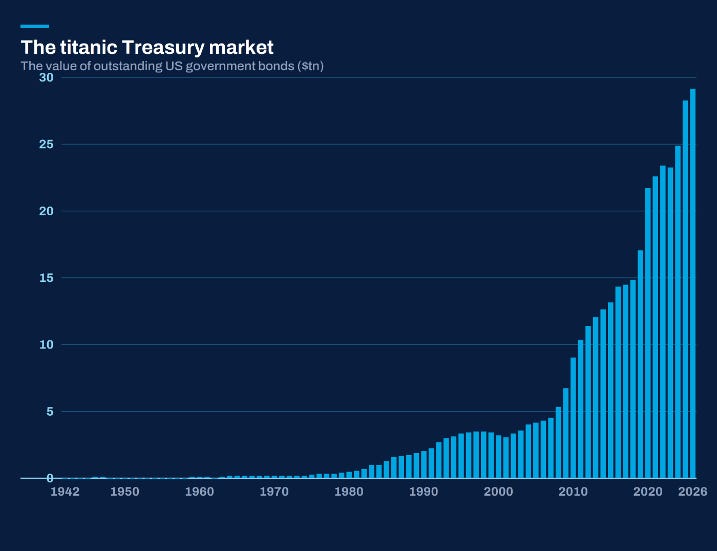
Just in case you haven’t seen enough scary charts about the Treasury market lately.
Source: Financial Times
Over-reliance on fees from international students is a dangerous game.
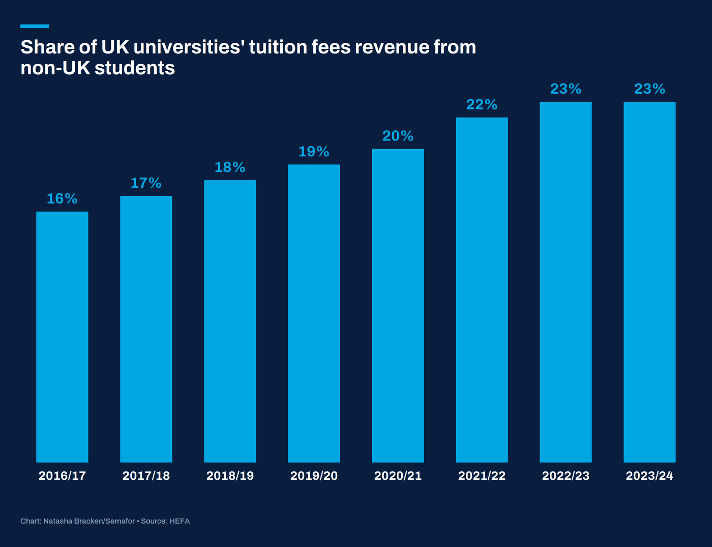
Source: Semafor

Congrats on making it this far. Time for some reader engagement!
You may have noticed that all the charts match this week. Turns out some time in Claude can result in a skill (and various QA loops and codes and such) that lets you re-skin content to make it visually consistent. But I have a question…