𝗧𝗲𝗻 𝘁𝗵𝗶𝗻𝗴𝘀 𝗶𝘀 𝗳𝗼𝗰𝘂𝘀𝗲𝗱 𝗼𝗻𝗲 𝗼𝗻𝗲 𝘁𝗵𝗶𝗻𝗴 𝘁𝗵𝗶𝘀 𝘄𝗲𝗲𝗸 - 𝘁𝗵𝗲 𝗛𝗼𝗿𝗺𝘂𝘇 𝗛𝗲𝗱𝗴𝗲.
It is a fool's errand to make predictions or grand claims during the fog of war. I'll leave that to others.
What seems evident, however, is that the geopolitical risk of fossil fuel dependency has never been more clear.
One could have precisely zero concern about carbon emissions and still look at fossil imports as something that present permanent strategic weakness.
What's different during this shock - compared to 1973 or 1979 - is that we have a compelling, viable, and de-risked alternatives at scale.
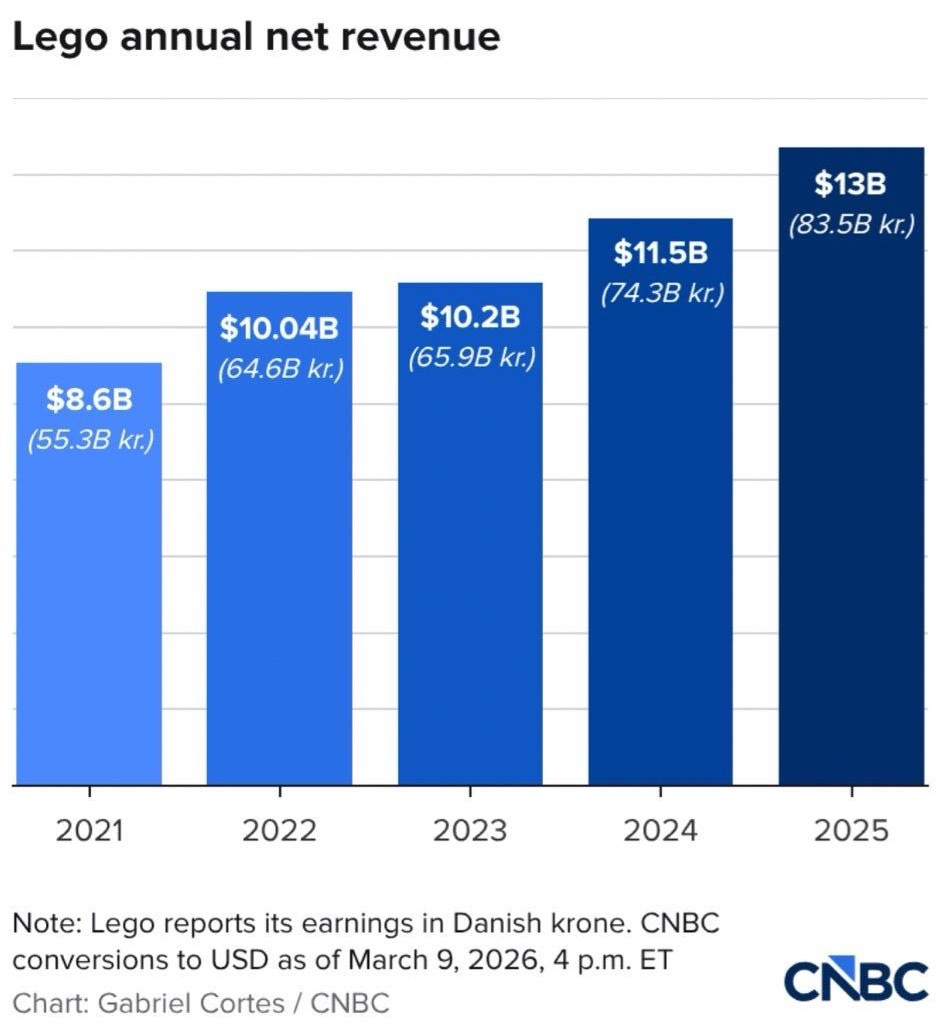
But the question I'll end with is full of self-interest: what will this do to the price of Lego?
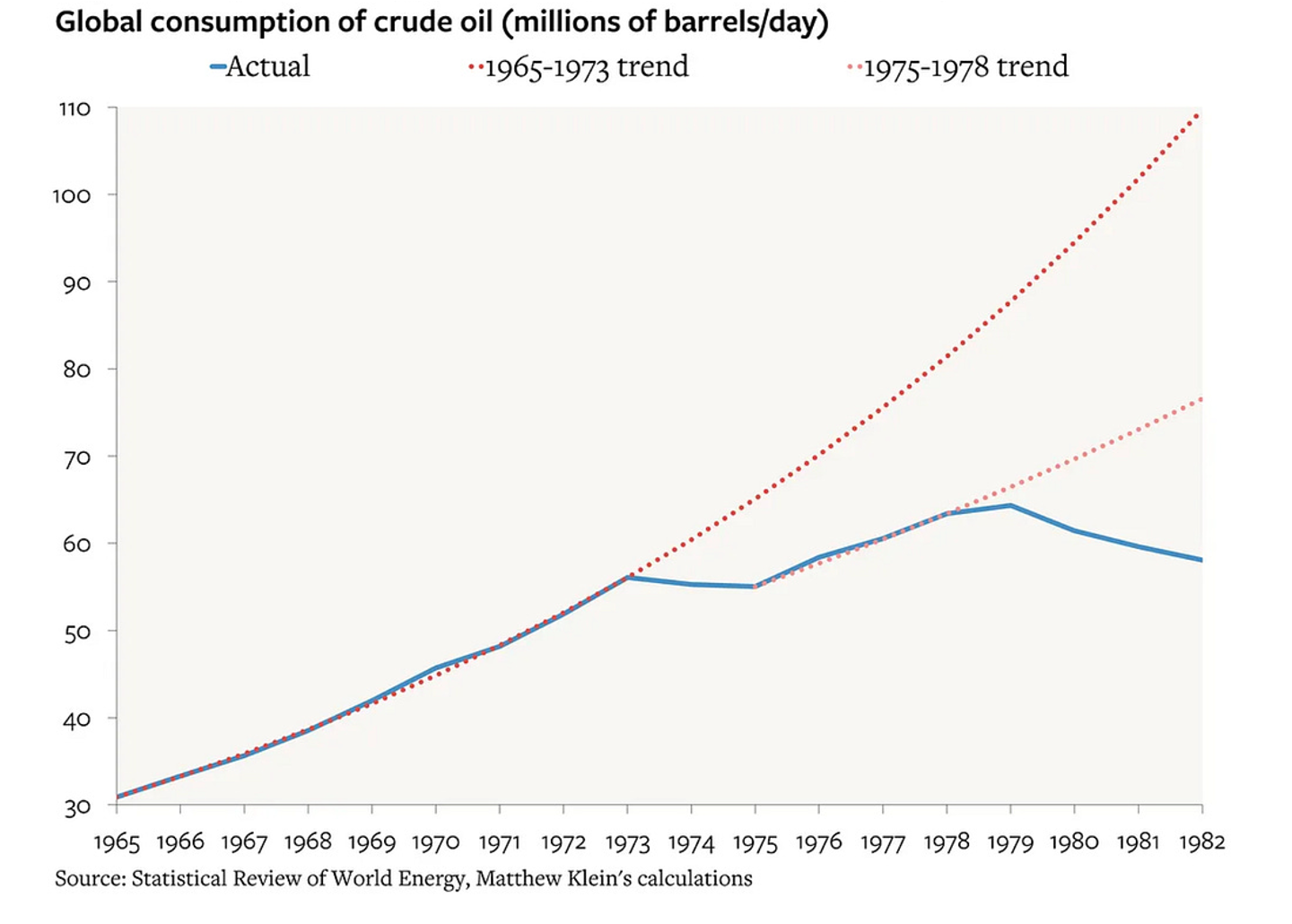
Previous oil shocks changed demand trajectories.
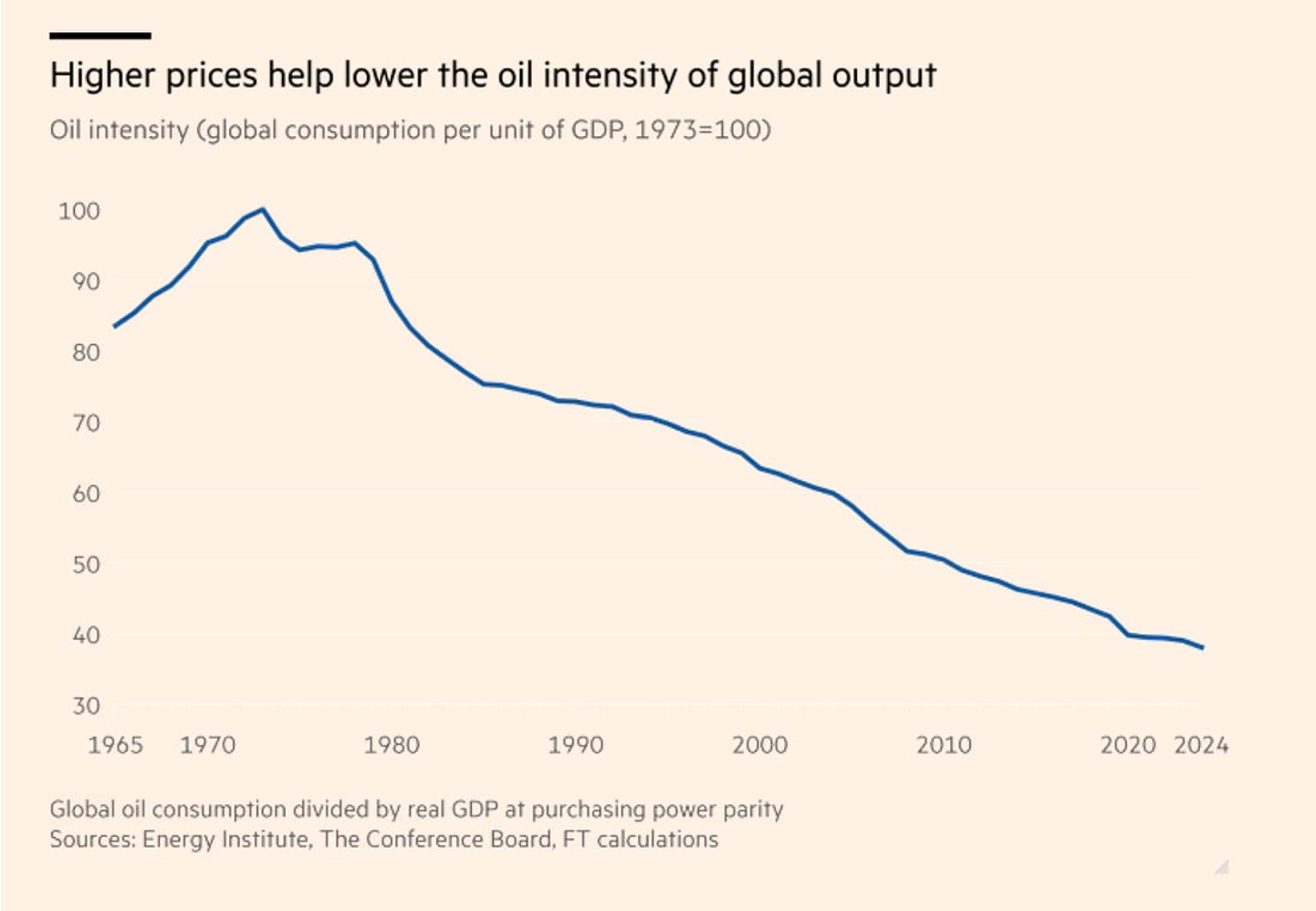
Will we see more more downward pressure on this trend?
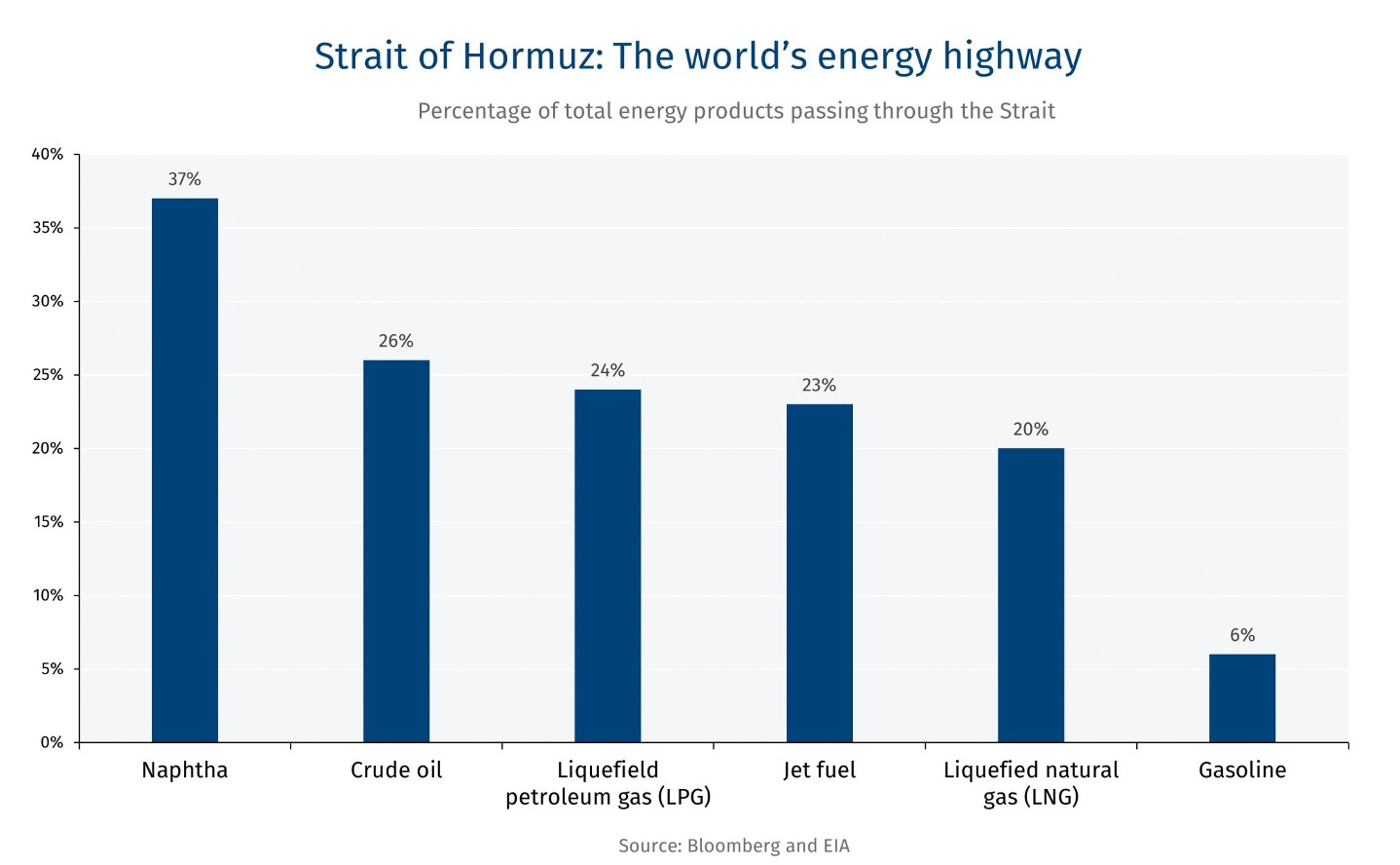
This is not just about oil.
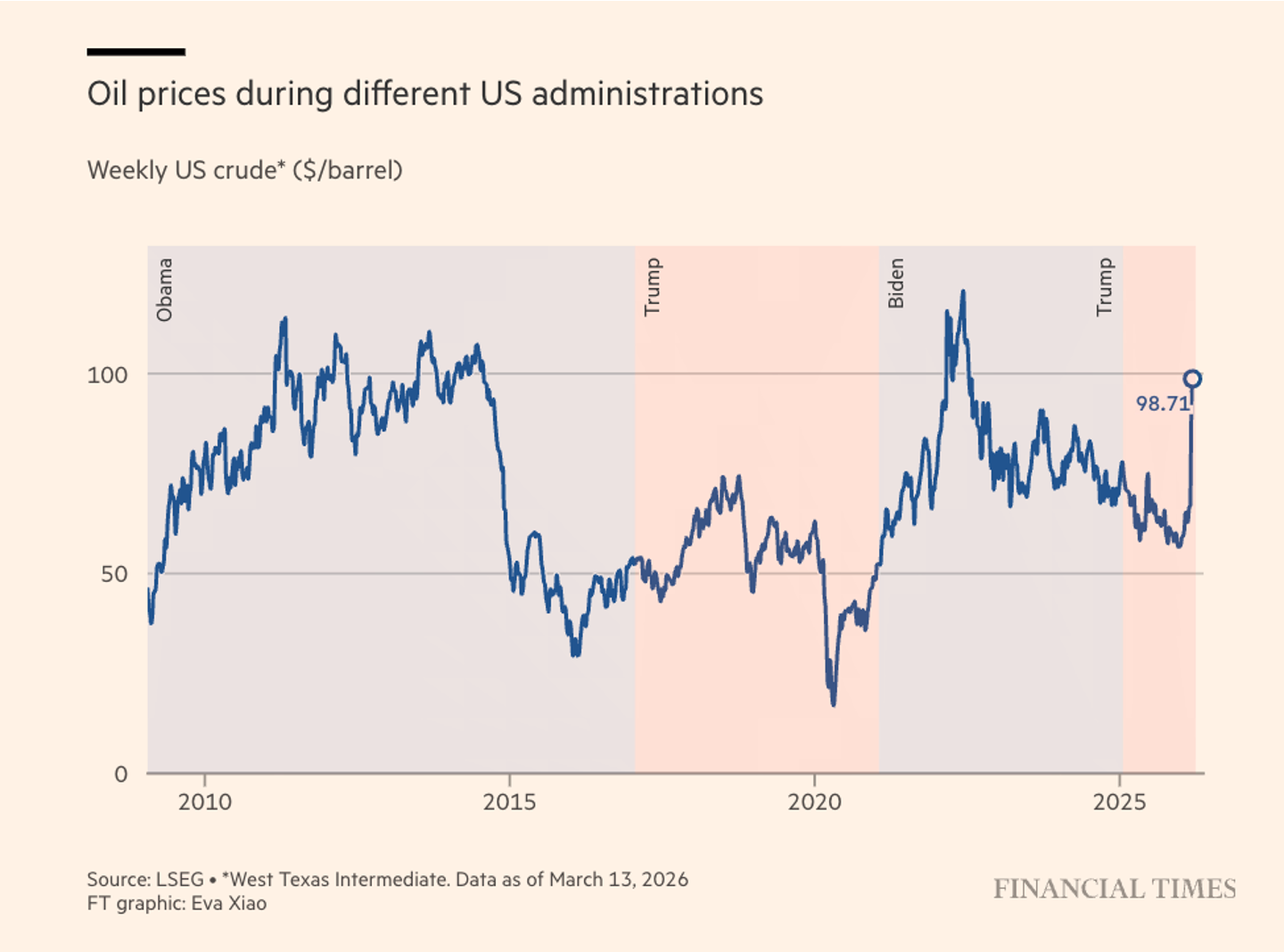
The midterm elections are 7 months away.
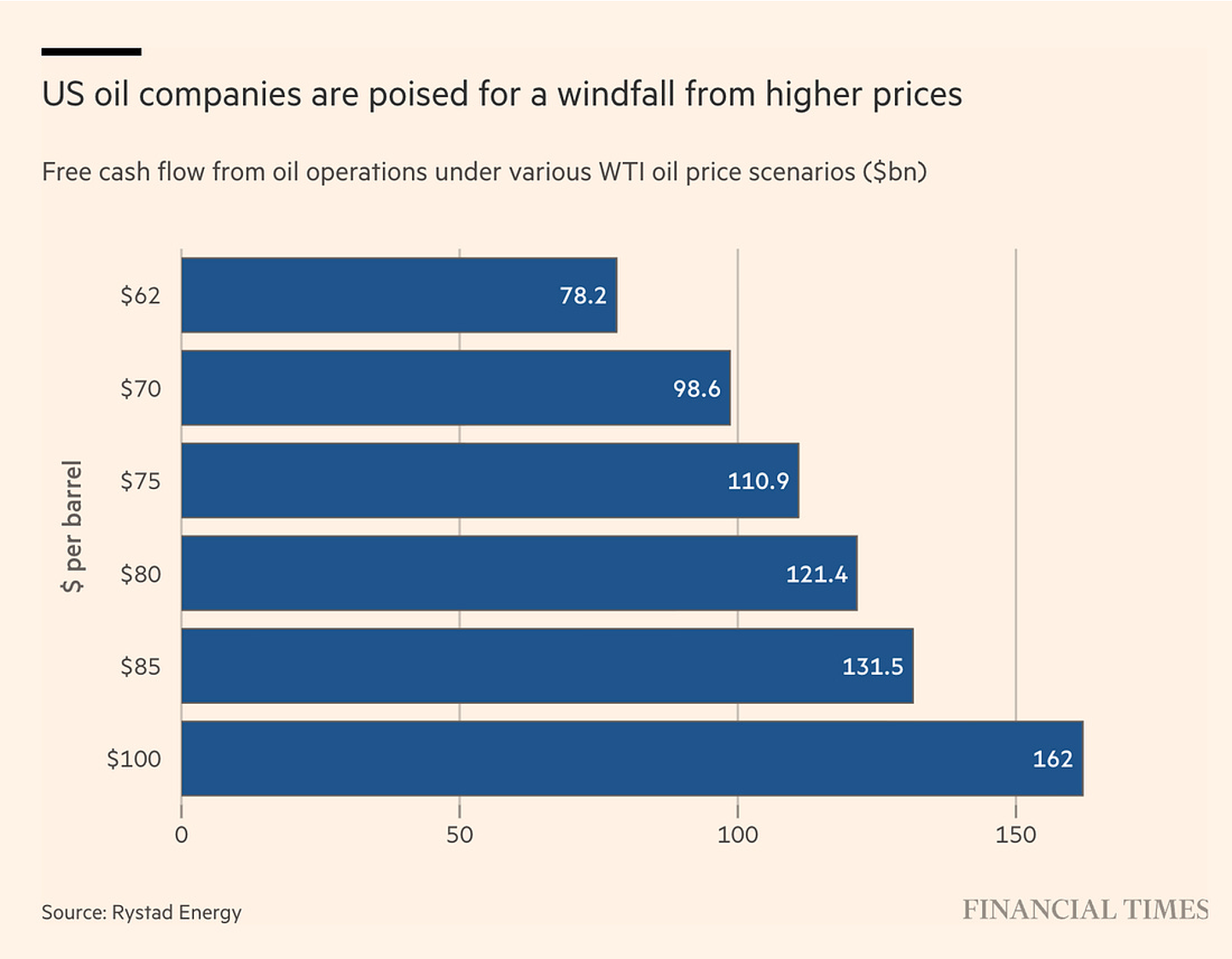
Some companies are going to enjoy enormous windfalls.
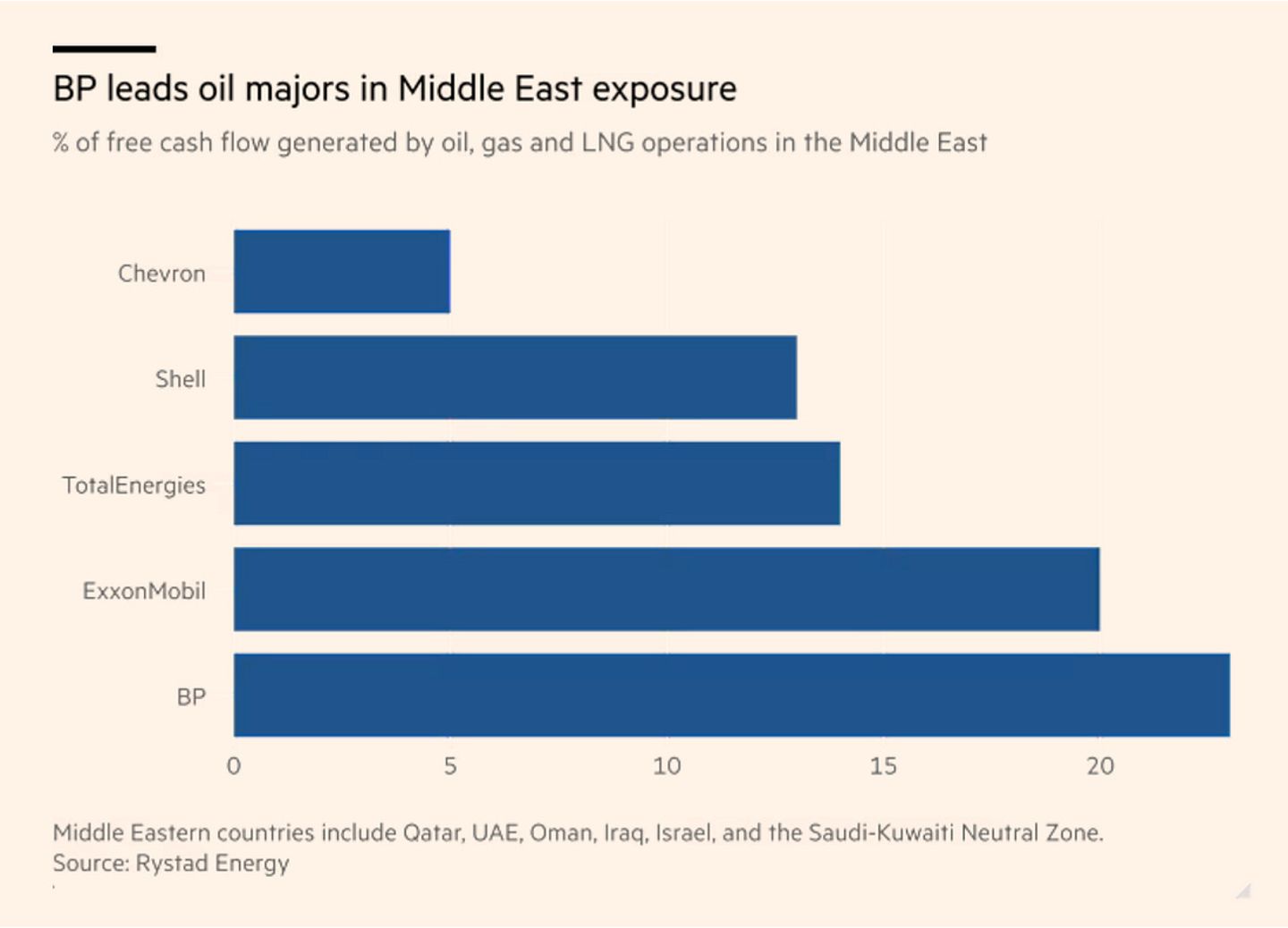
If only BP had actually meant it when they said “beyond petroleum”.
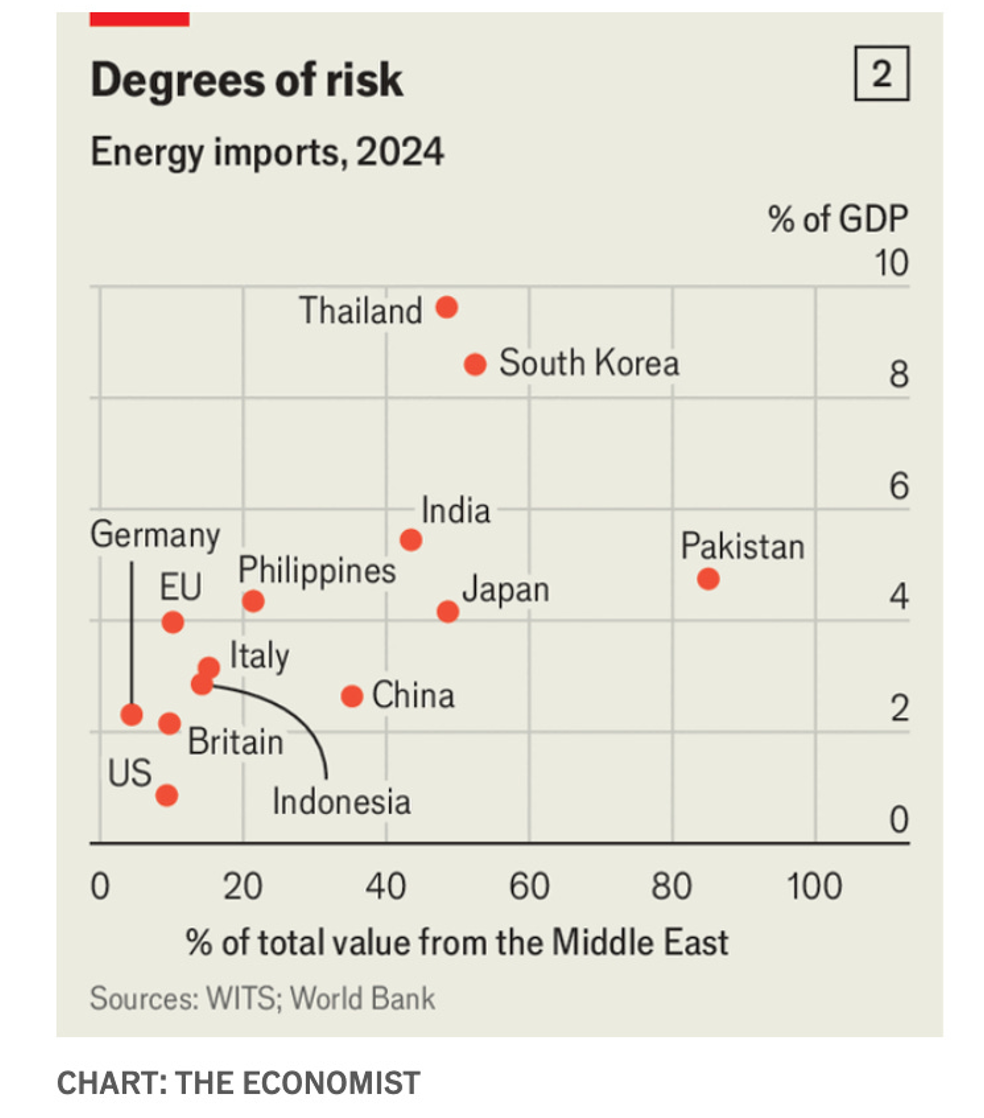
Pakistan was already embracing the energy transition.
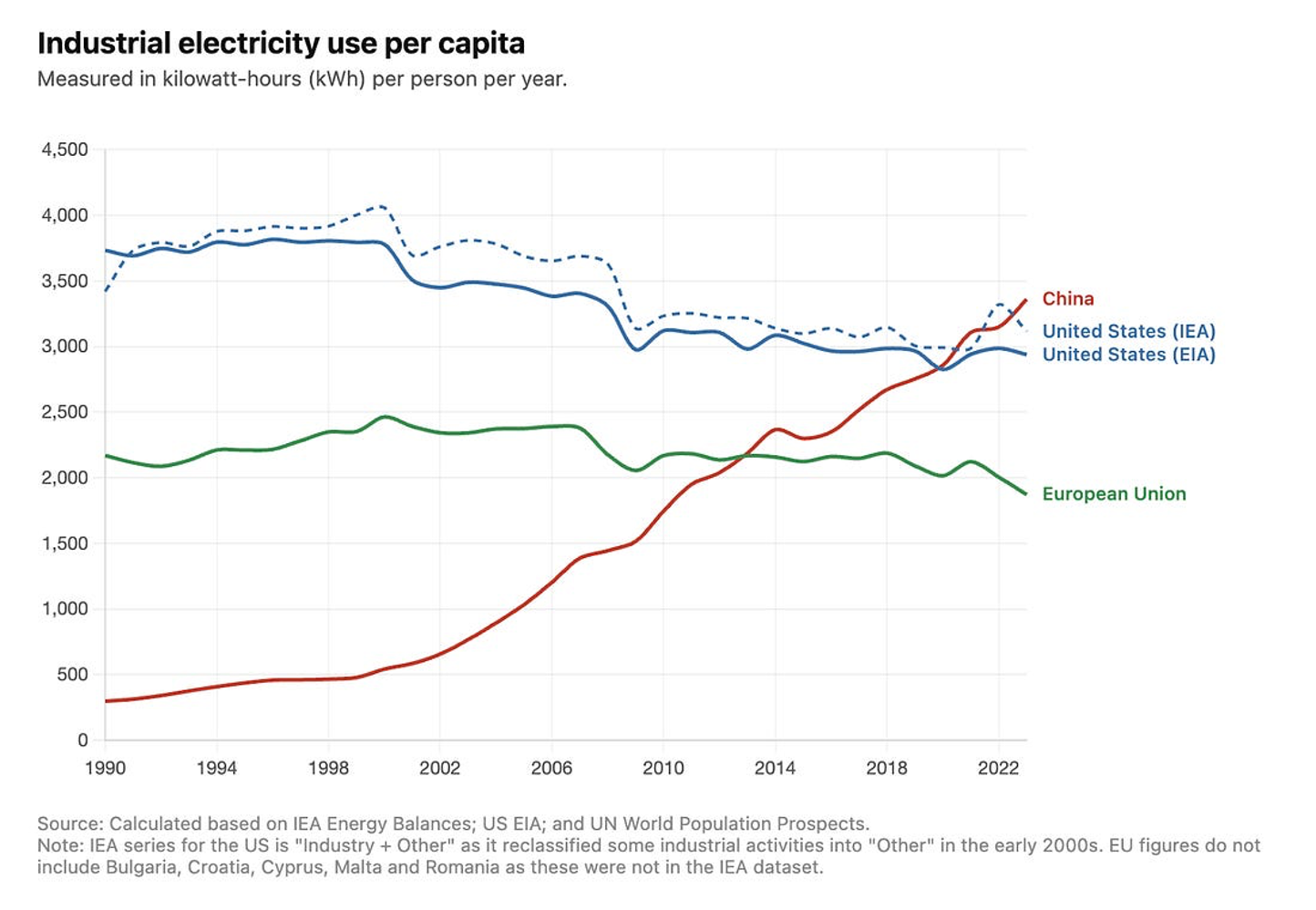
China uses a lot of electricity for industry….
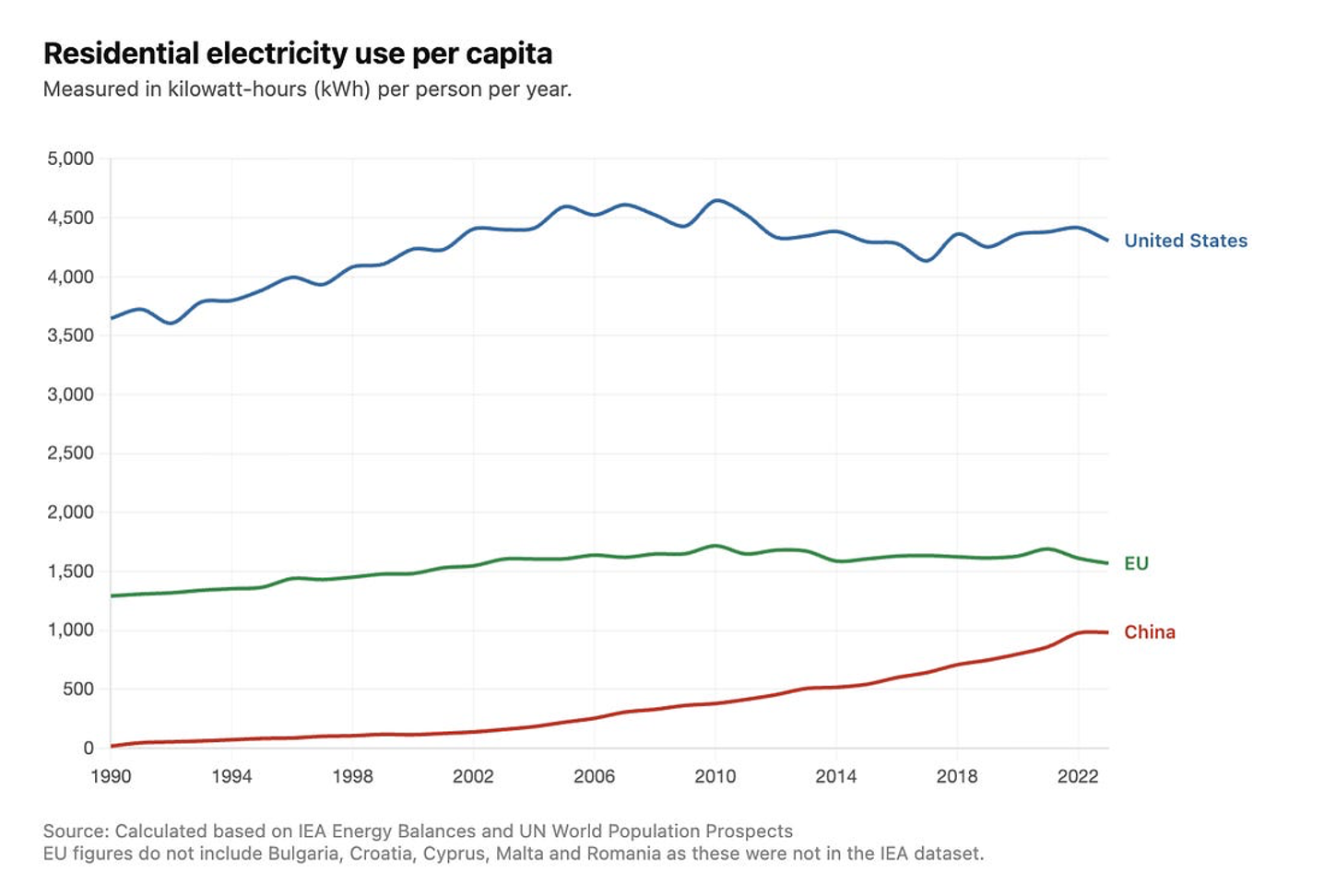
… But very little for residents.
I’m doing my part. Are you?