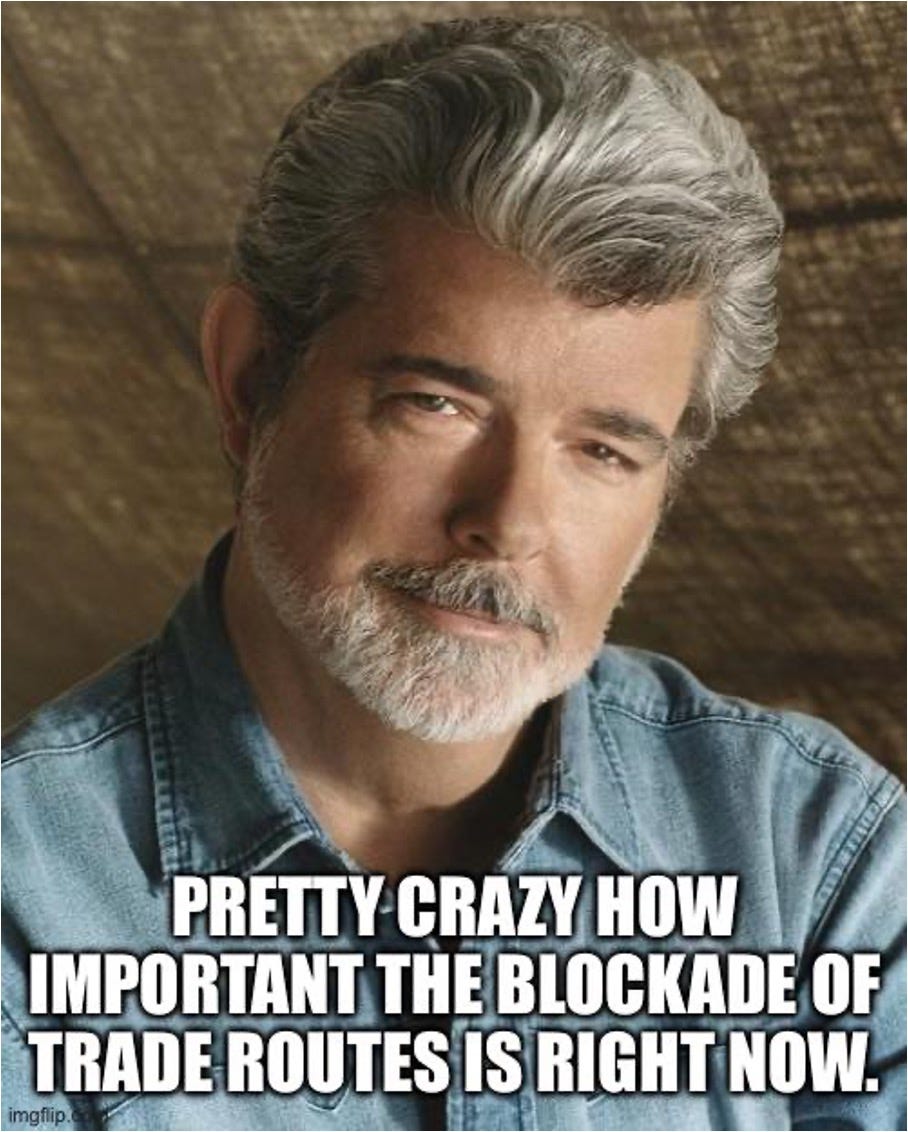
𝗧𝗲𝗻 𝘁𝗵𝗶𝗻𝗴𝘀 𝗴𝗶𝘃𝗲𝘀 𝗰𝗿𝗲𝗱𝗶𝘁 𝘁𝗼 𝗚𝗲𝗼𝗿𝗴𝗲 𝗟𝘂𝗰𝗮𝘀 𝘁𝗵𝗶𝘀 𝘄𝗲𝗲𝗸. 𝗧𝗵𝗲 𝗺𝗮𝗻 𝘂𝗻𝗱𝗲𝗿𝘀𝘁𝗼𝗼𝗱 𝘁𝗵𝗲 𝗶𝗺𝗽𝗼𝗿𝘁𝗮𝗻𝗰𝗲 𝗼𝗳 𝘁𝗿𝗮𝗱𝗲 𝗯𝗹𝗼𝗰𝗸𝗮𝗱𝗲𝘀 𝗮𝗹𝗹 𝗮𝗹𝗼𝗻𝗴.
There's lots of analysis out there about how to make sense of the implications on energy markets. (If you're looking for one great read, I'd suggest Michael Liebreich's recent work.)
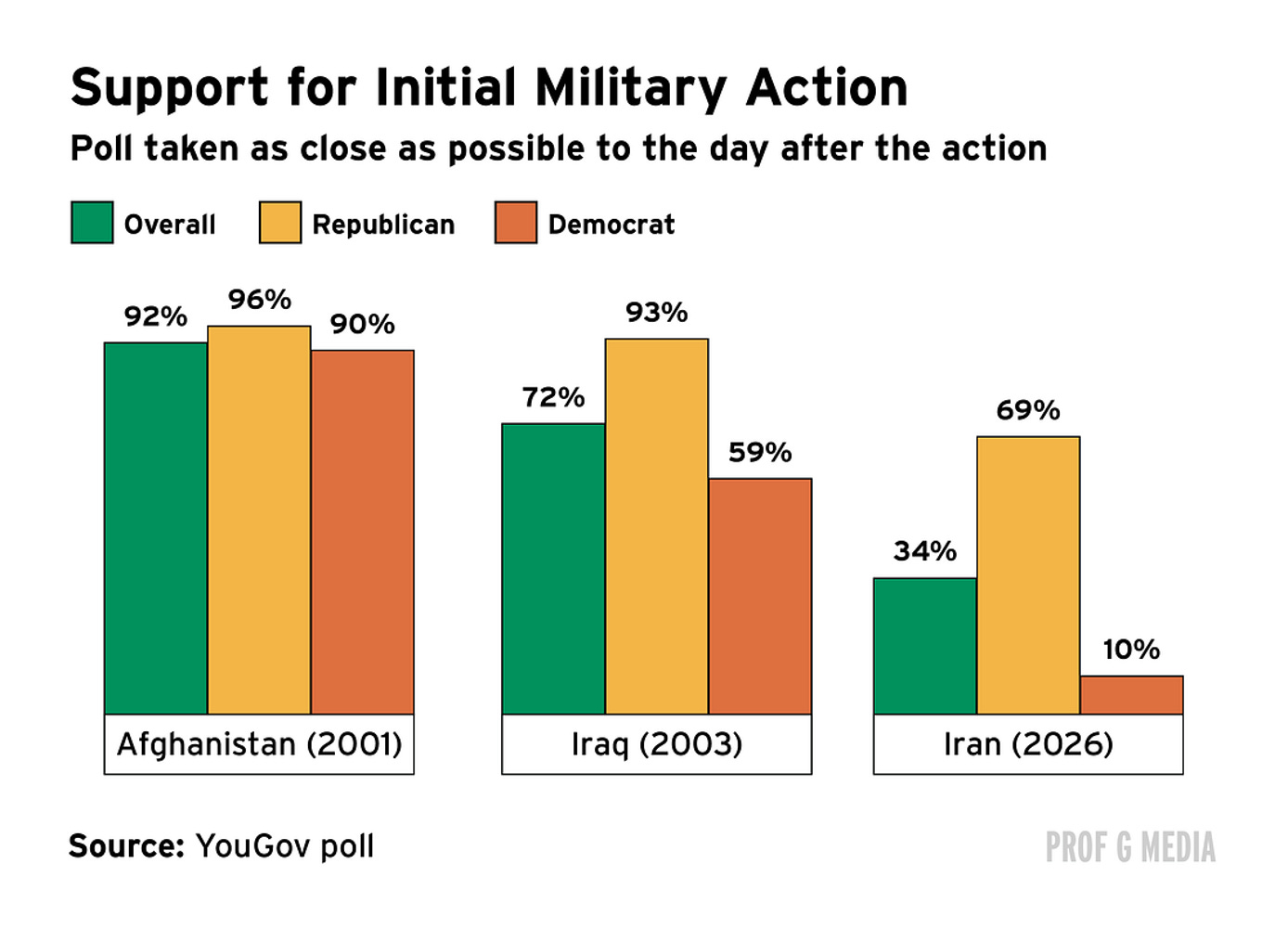
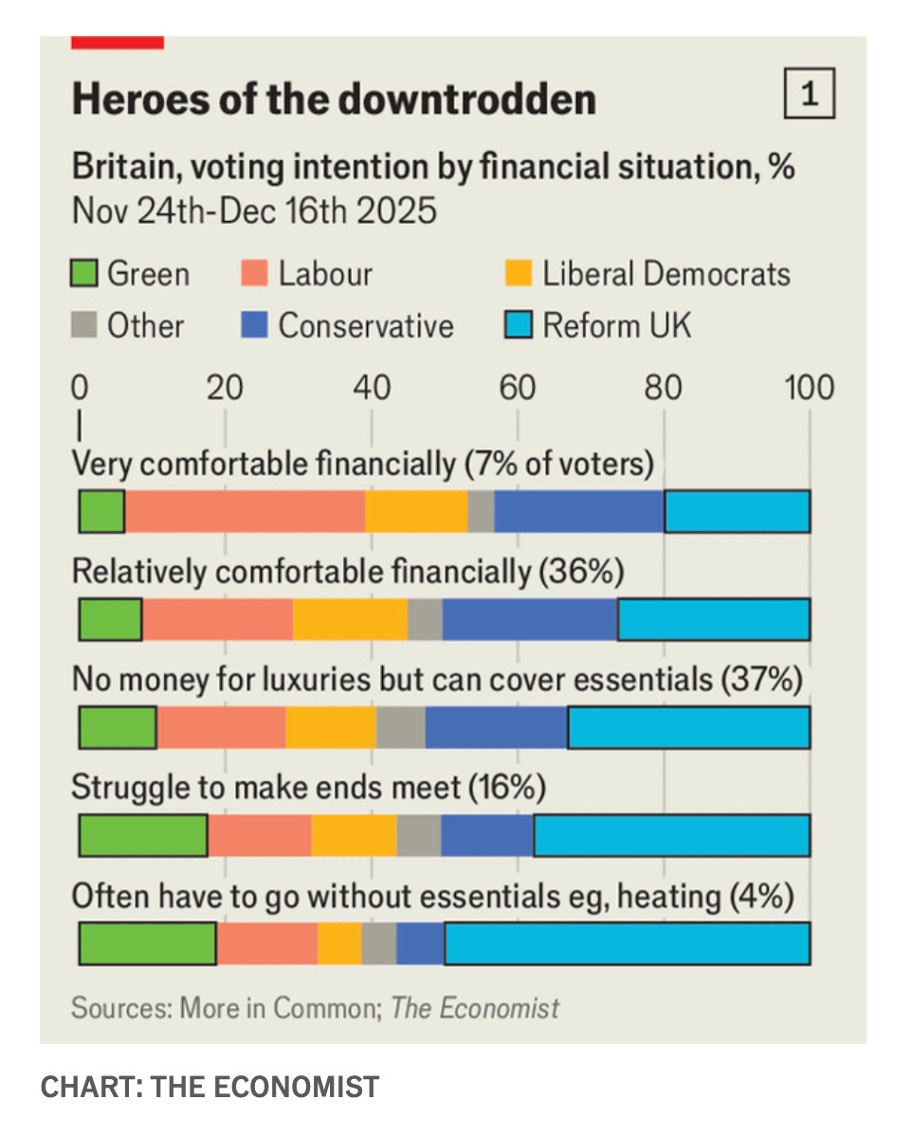
What's sitting with me is just how quickly domestic support might evaporate for this directionless military boondoggle. Looking at data from the UK, mainstream parties are entirely disconnected from (and unpopular with) those living at the poverty line.
If energy prices spike - and remain high - how will populists (i.e. Trump) explain that to their base? No amount of rallies will smooth over the impacts on people's pocket books.
If I had to make a prediction: sometime soon, domestic politics in the USA will create a rift between the foreign policy objectives of Israel and America.
A deeply unpopular decision.
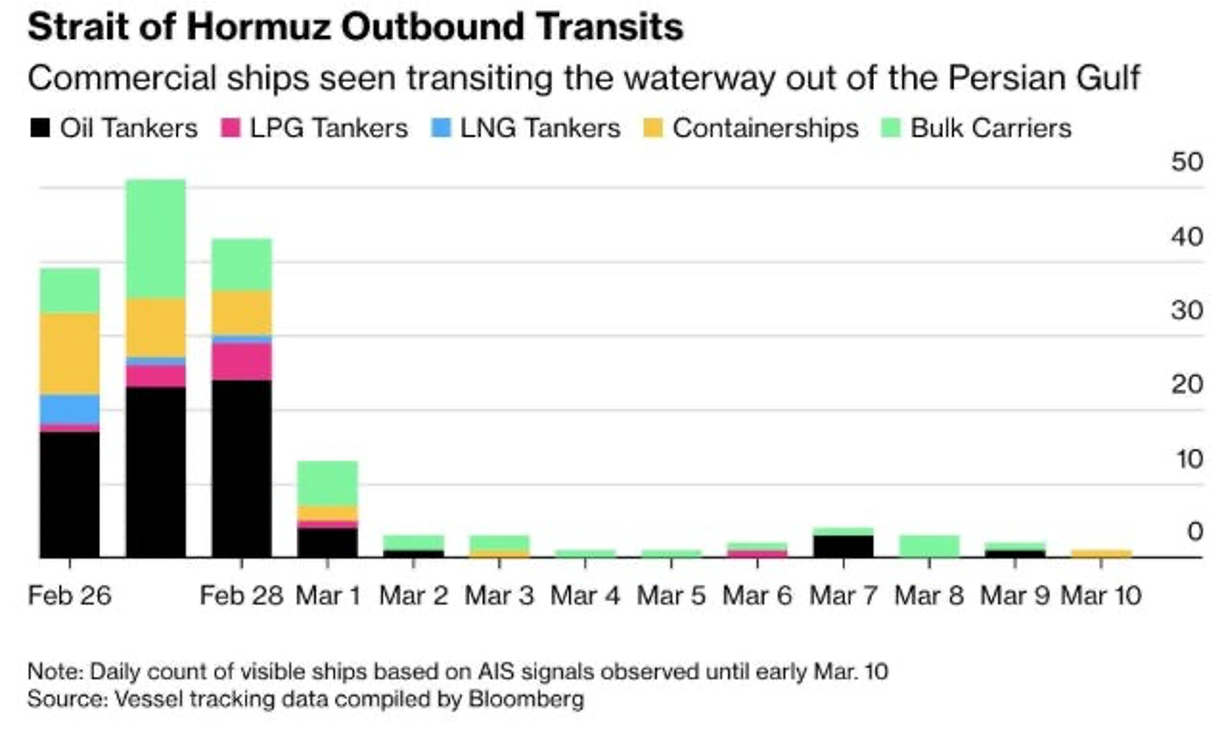
Putting Hormuz in perspective.
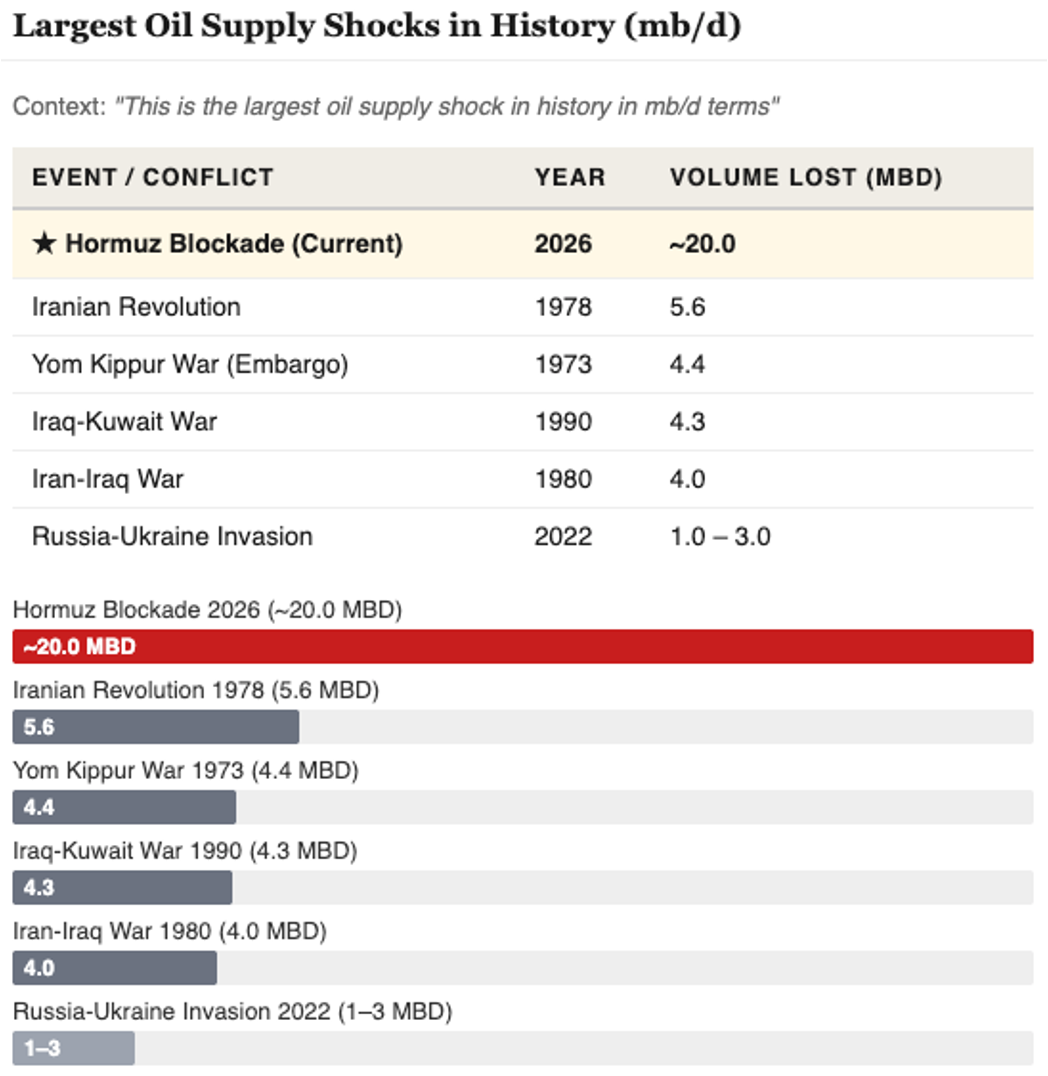
Putting Hormuz in perspective, continued.
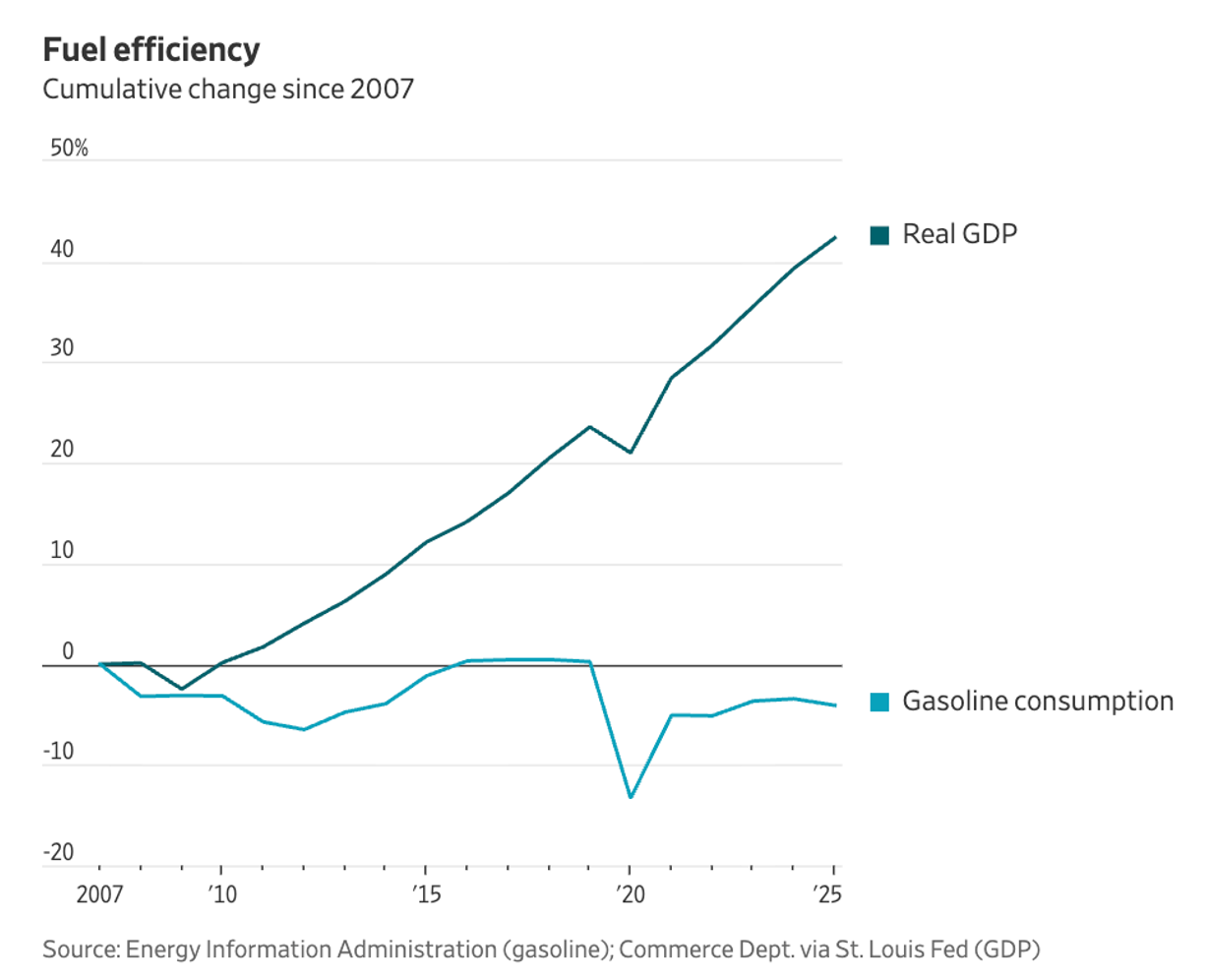
US GDP growth has outpaced gasoline consumption. Higher prices won’t sting as much.
The mainstream is disconnected from those struggling.
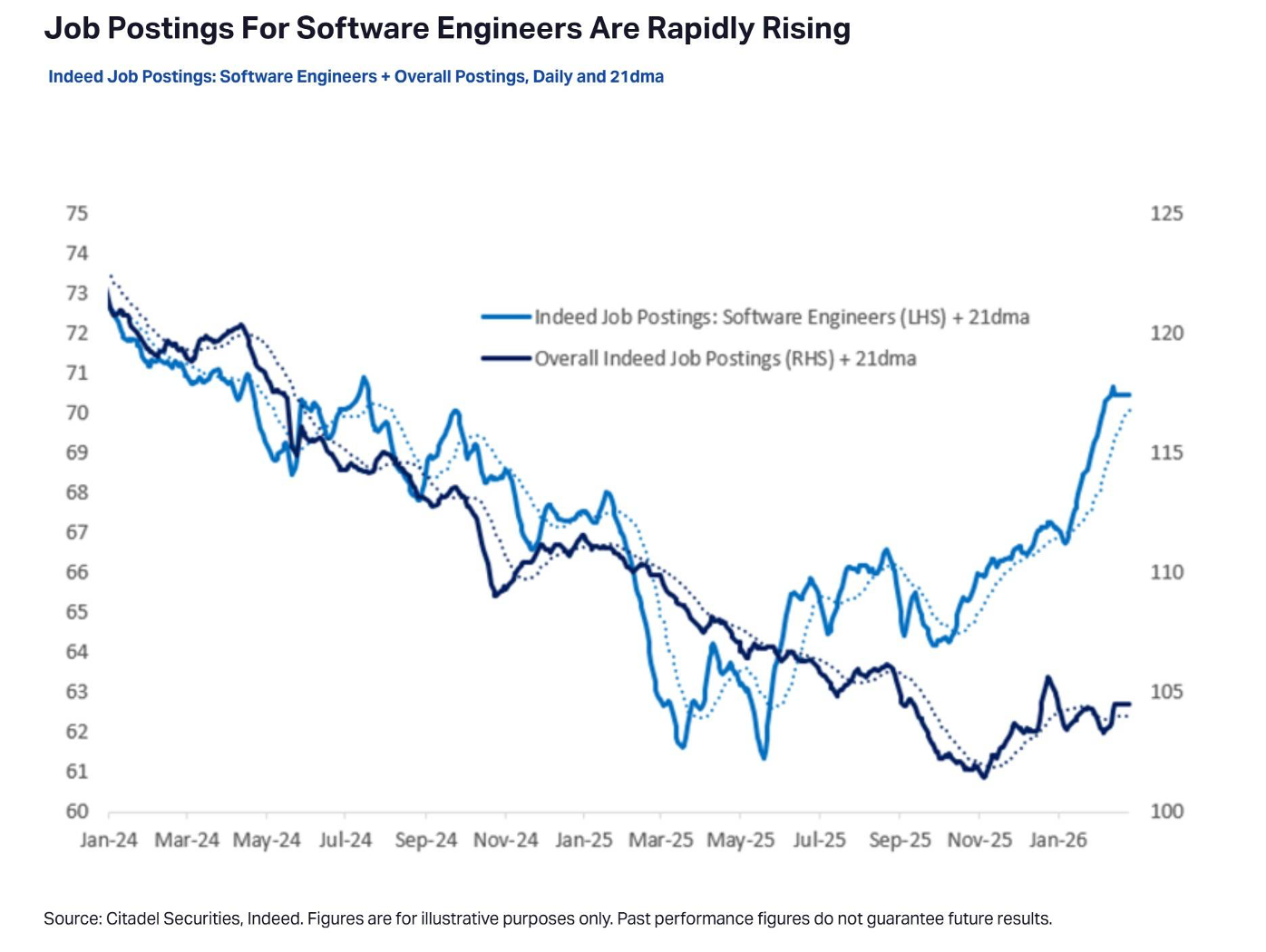
An interesting wrinkle in the AI/workforce dynamic.
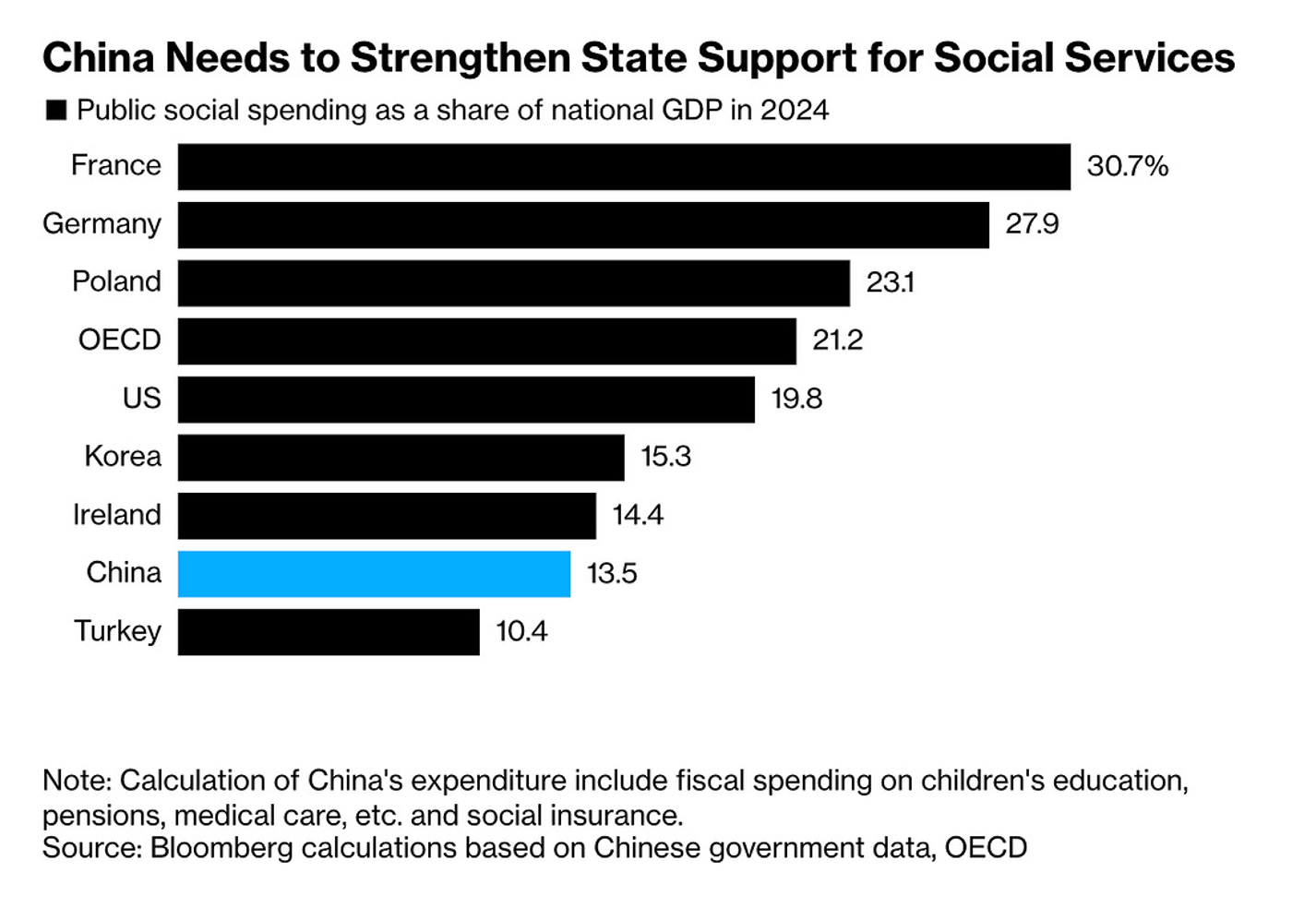
China’s position here surprised me.
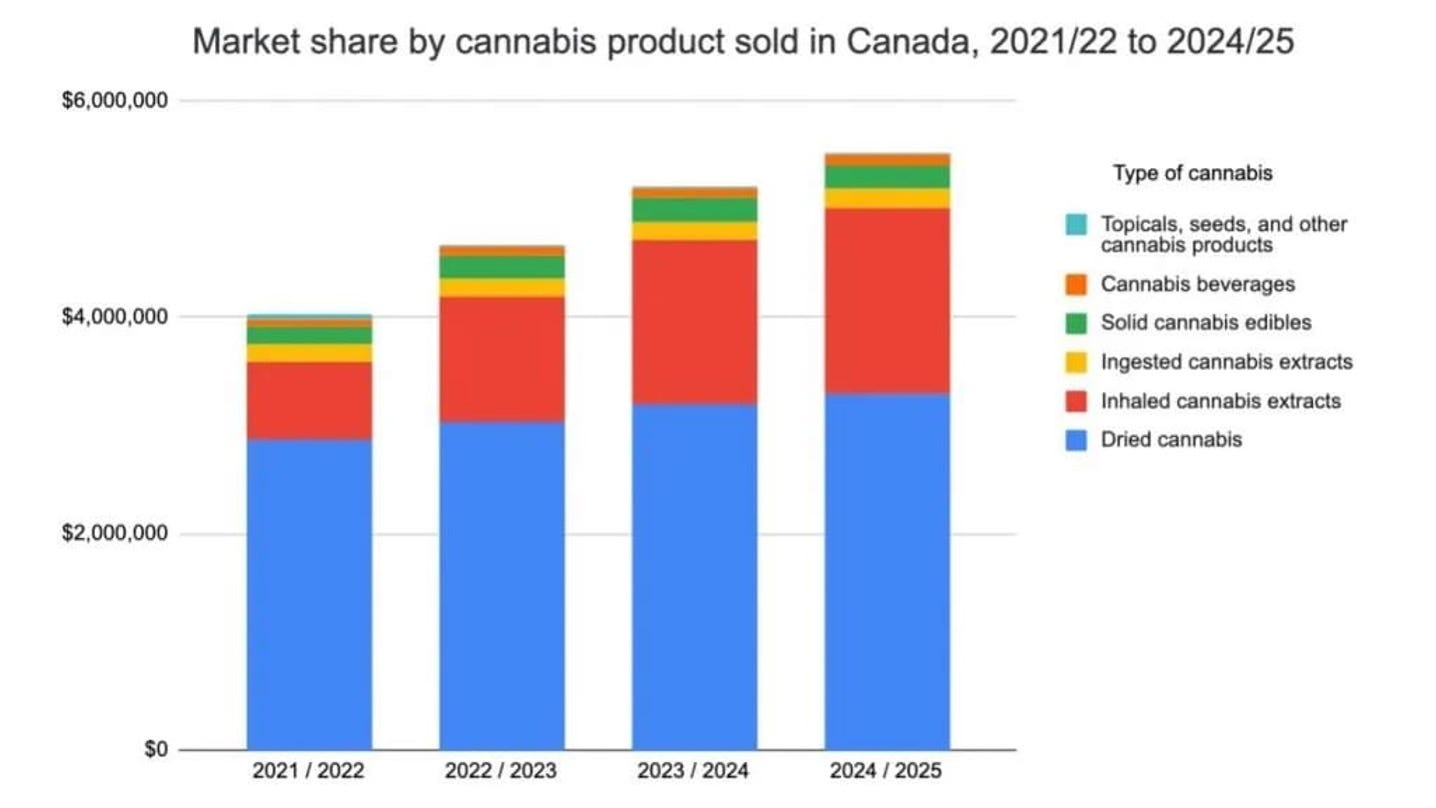
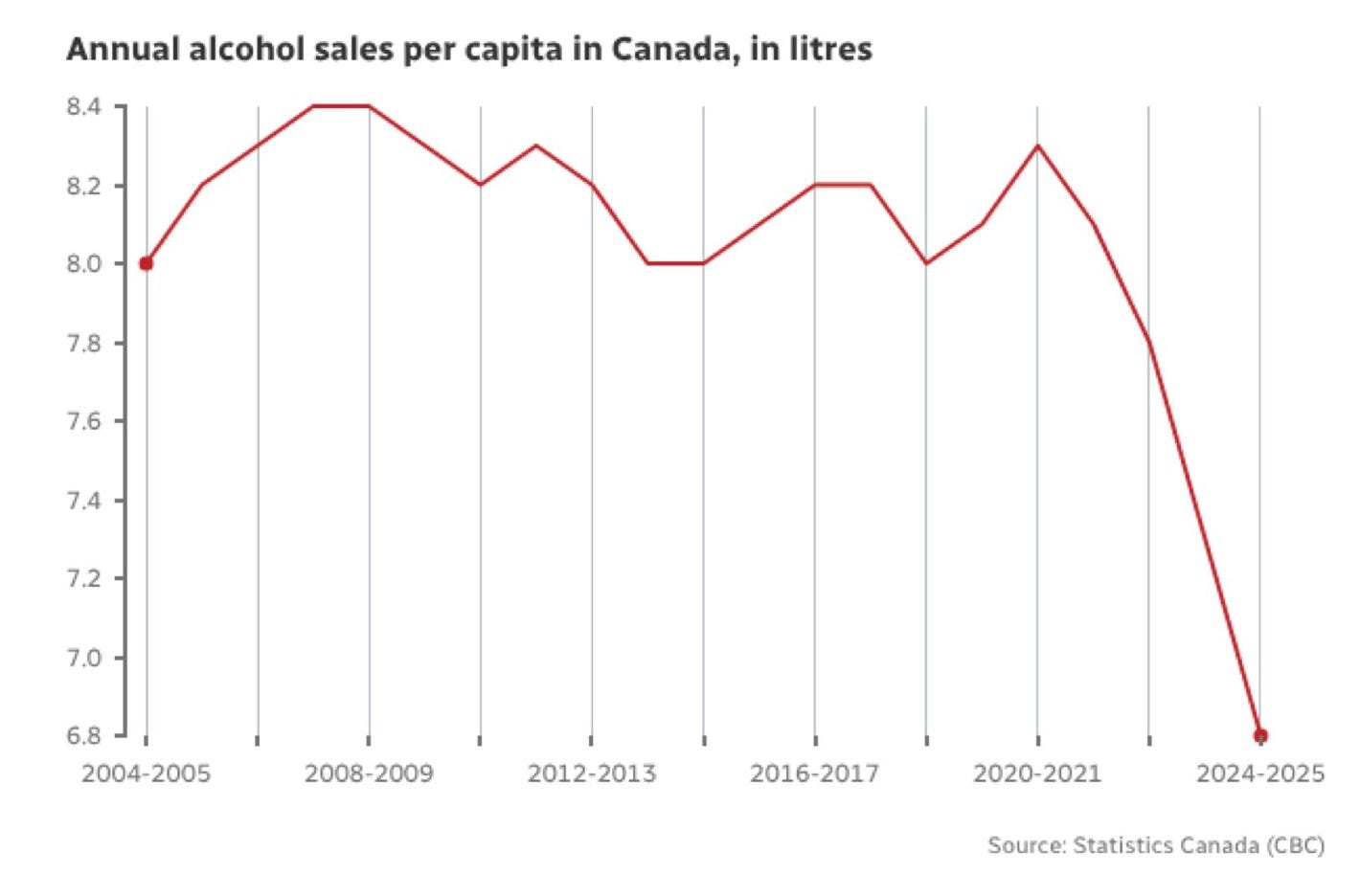
Per capita, Canadians are quickly moving away from alcohol.
But they’re spending more on weed.