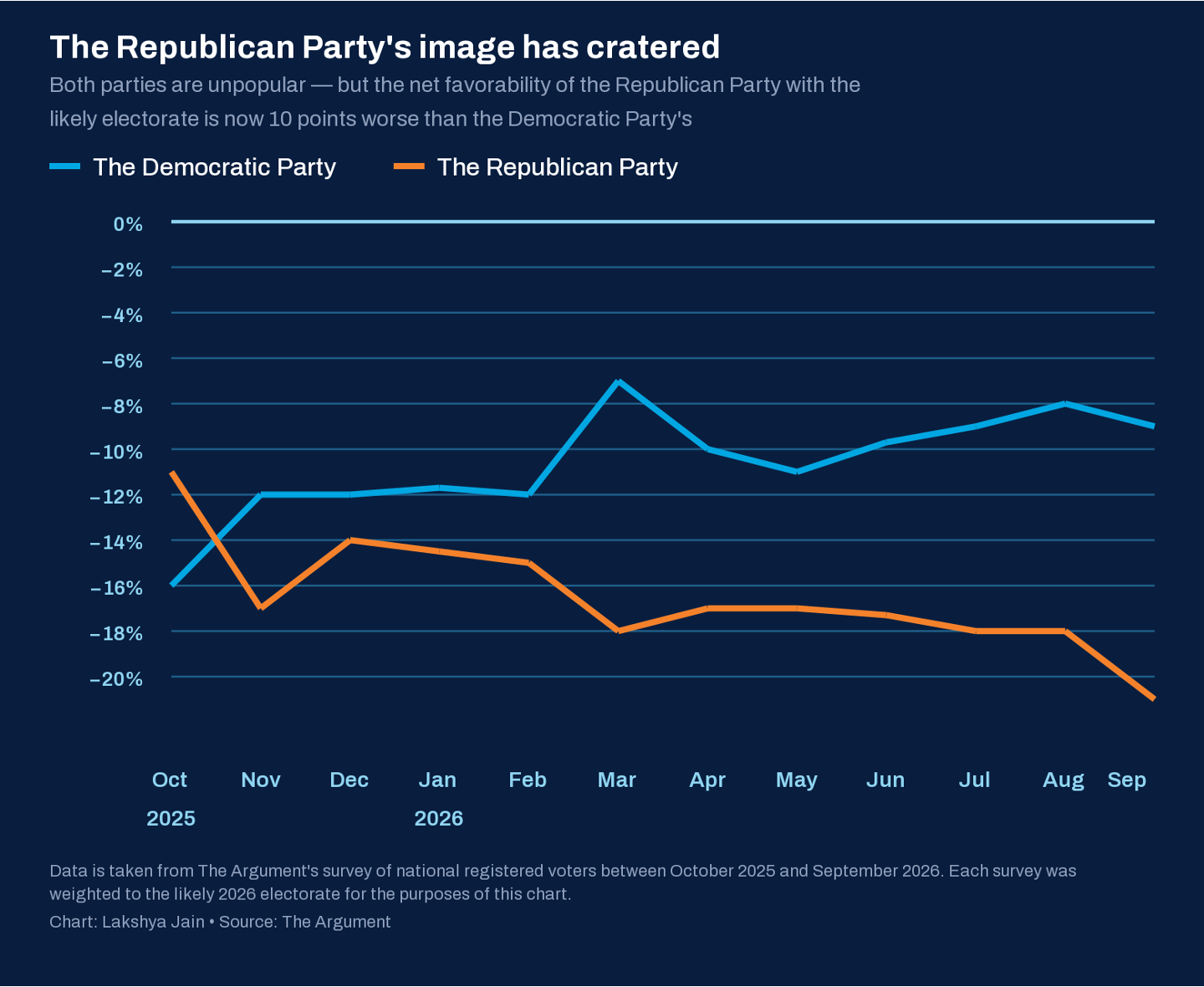
James Carville was on to something in 1992. Most people don’t follow politics closely. They notice what a tank of gas and groceries cost, and whether their most important asset - their home - feels like a good investment. Then they vote accordingly.
Maybe people should care more about their neighbours, communities, planet, decency, institutional decay, and other non-economic things. We can be disappointed that they don’t.
But we should also appreciate how stuck so many folks feel. The economy is how most people take the temperature of their own future. Sometimes the price of gas is more than the price of gas.
Prices are higher. Homes aren’t selling. Careers aren’t as predictable as they used to be, making it hard to imagine a future that’s better than the present. Throw in income inequality, an unwinding global order and the relentless march of AI? I can see why voters are feeling glum and inclined to give incumbents the boot.
Now, the last couple of weeks have seen elections bucking the trend of incumbent equals bad (Brazil and Israel, sort of). But it’s also seen incumbents kicked to the curb in Vancouver, in BC, and in Serbia. And then there’s a most dramatic affair coming up in just a few short days: the US mid-terms.
I’m not going to make a prediction. I will note that relying on young men to turn out to support the GOP might be a risky bet (they really swung things in Trump’s direction in 2024). The charts this week are a sort of temperature check. How are people feeling about the economy? Turns out… not that great.
We’ll find out Tuesday night if Carville’s maxim holds true, 34 years later.
Until next week, friends.
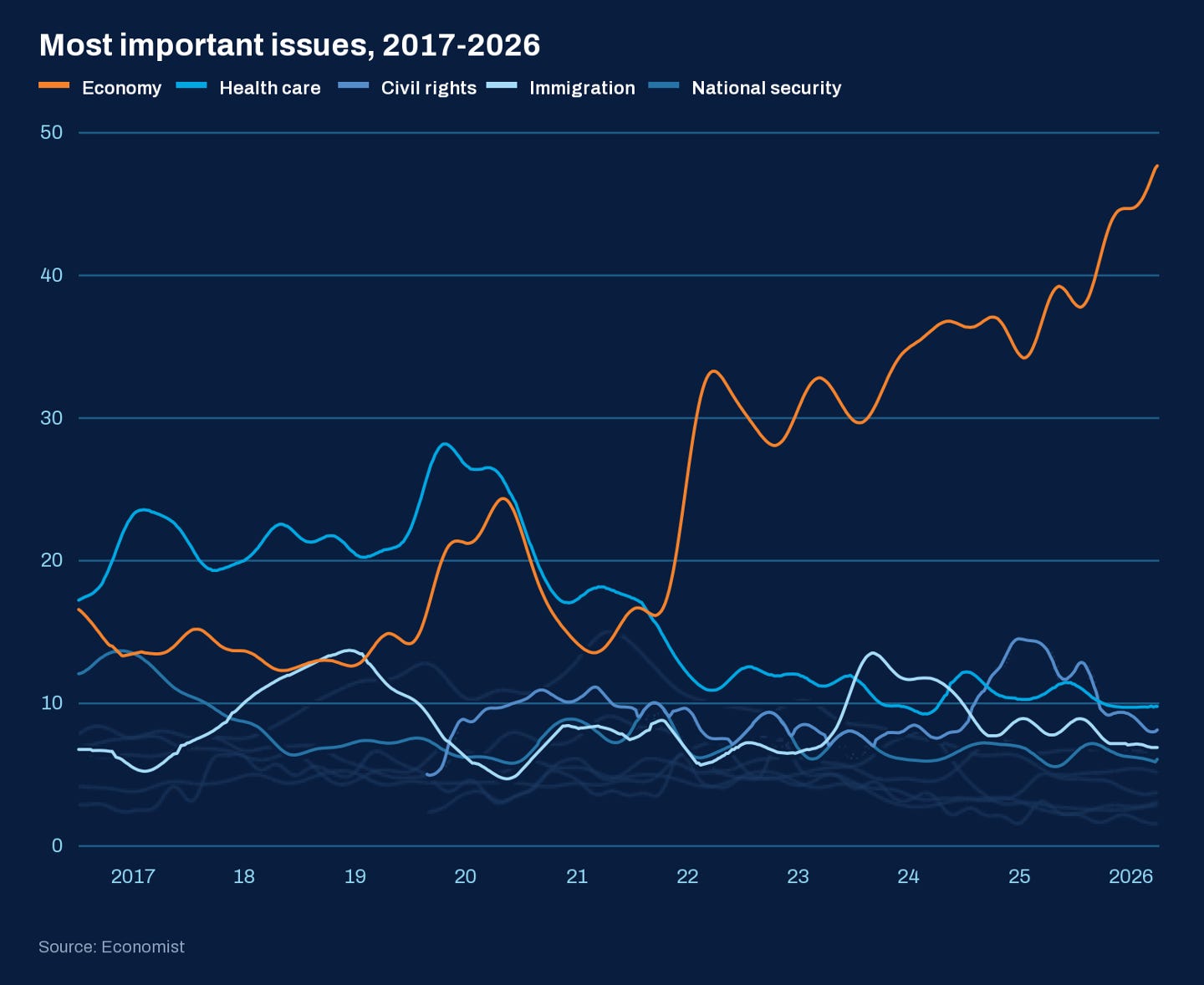
Elections are usually about the economy. But this time it really is all about the economy.
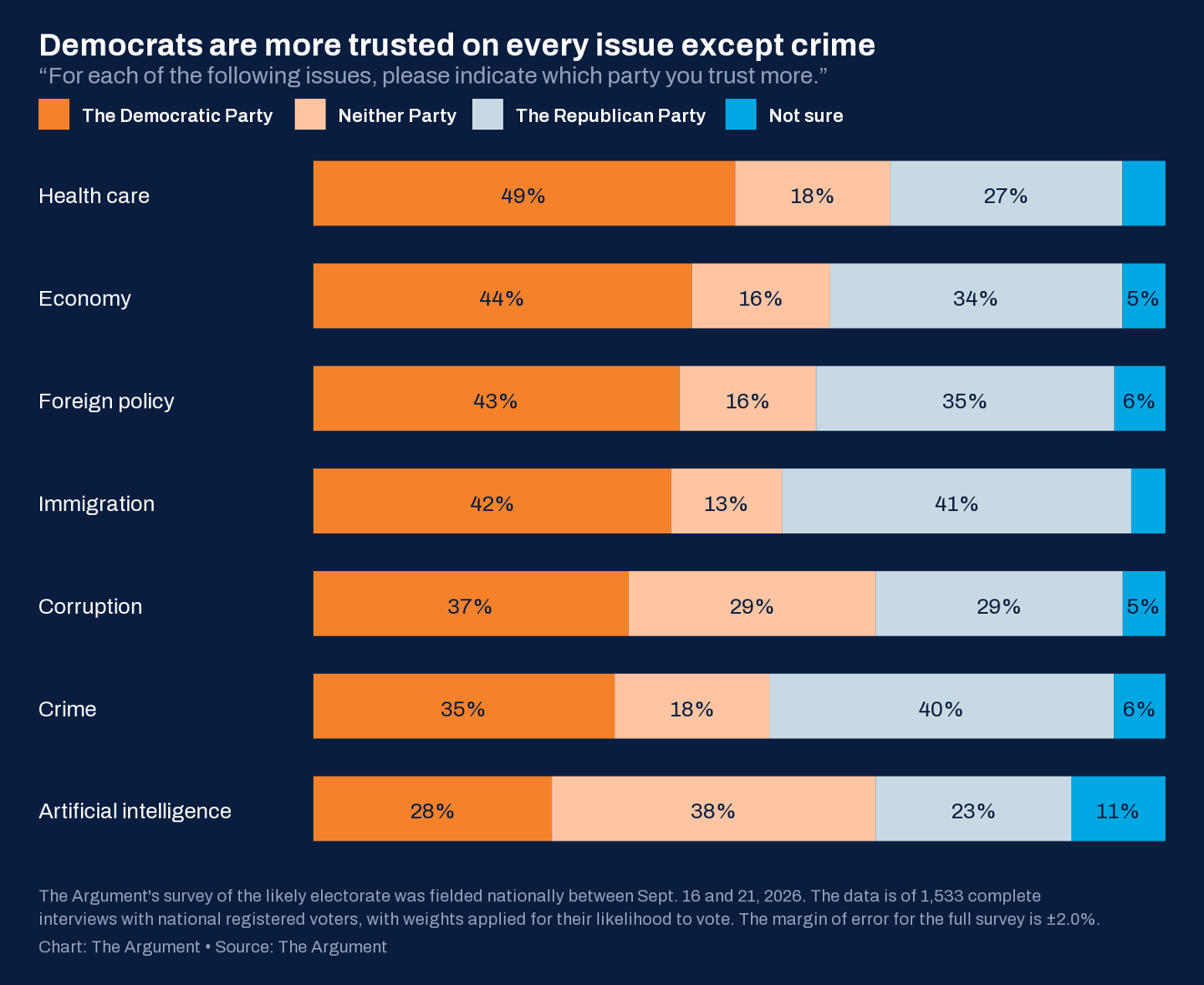
Democrats are seen as better positioned to do something about it.
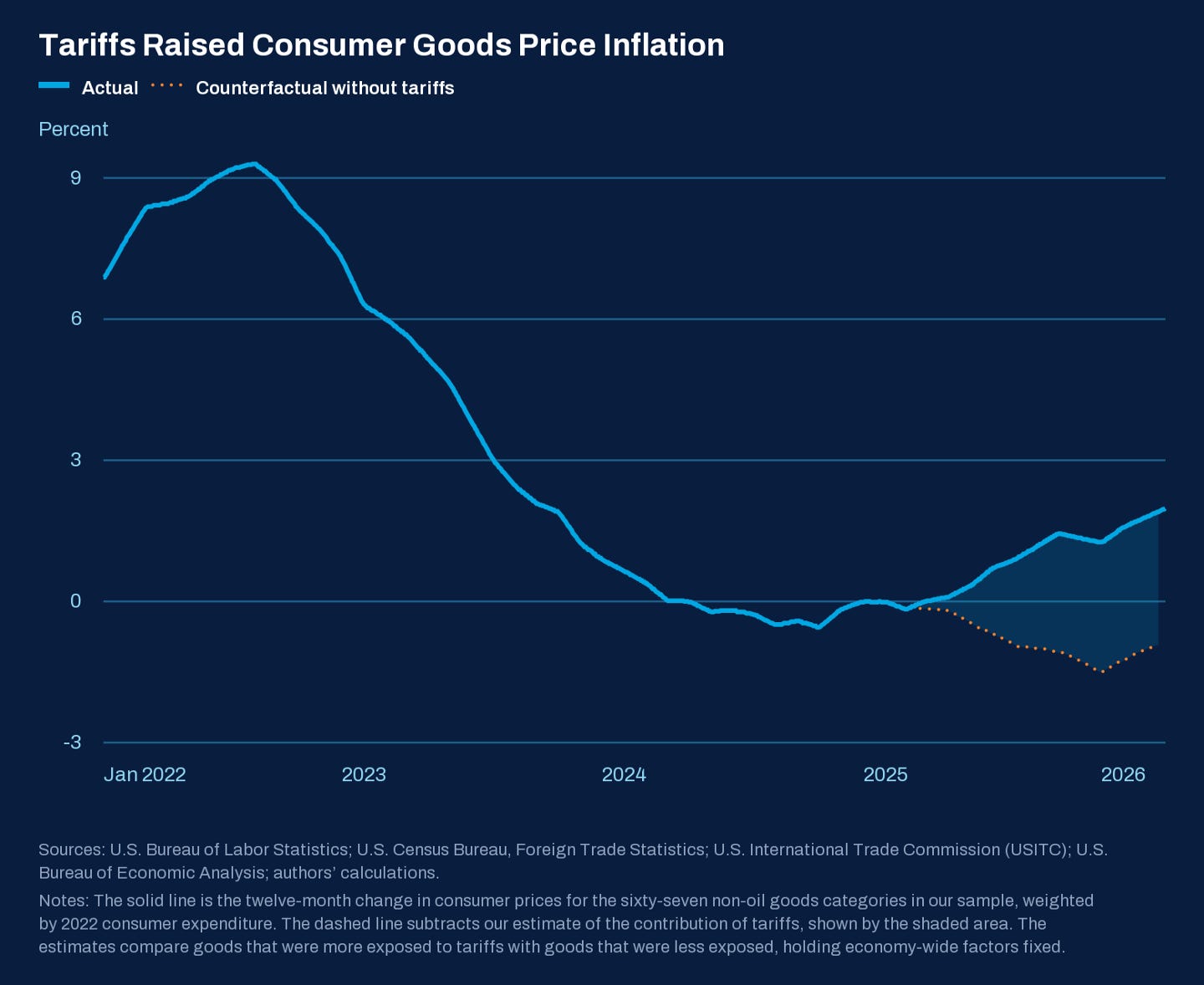
Consumer goods Inflation would have been negative without the tariffs.
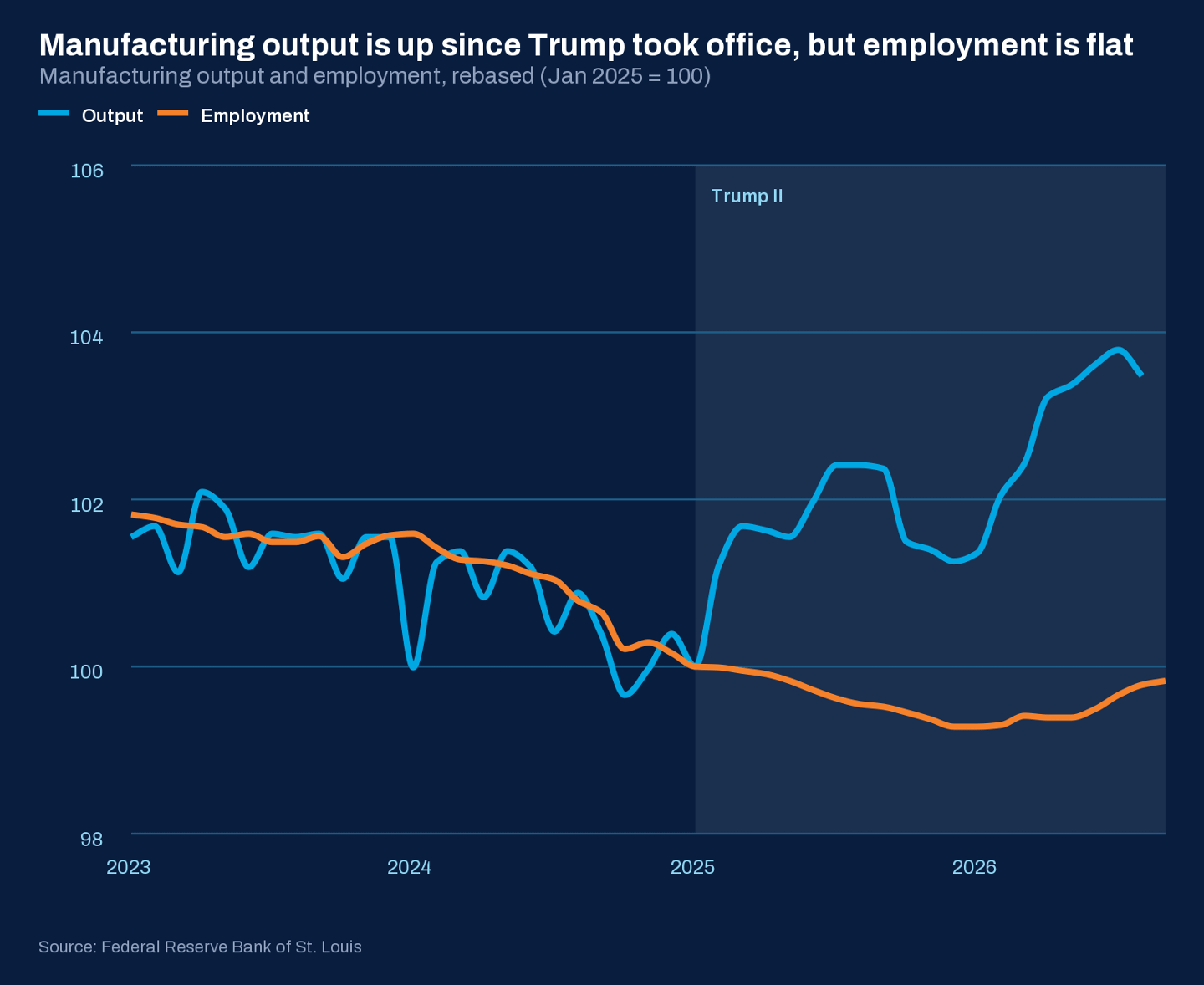
Re-shoring works for output but not employment.
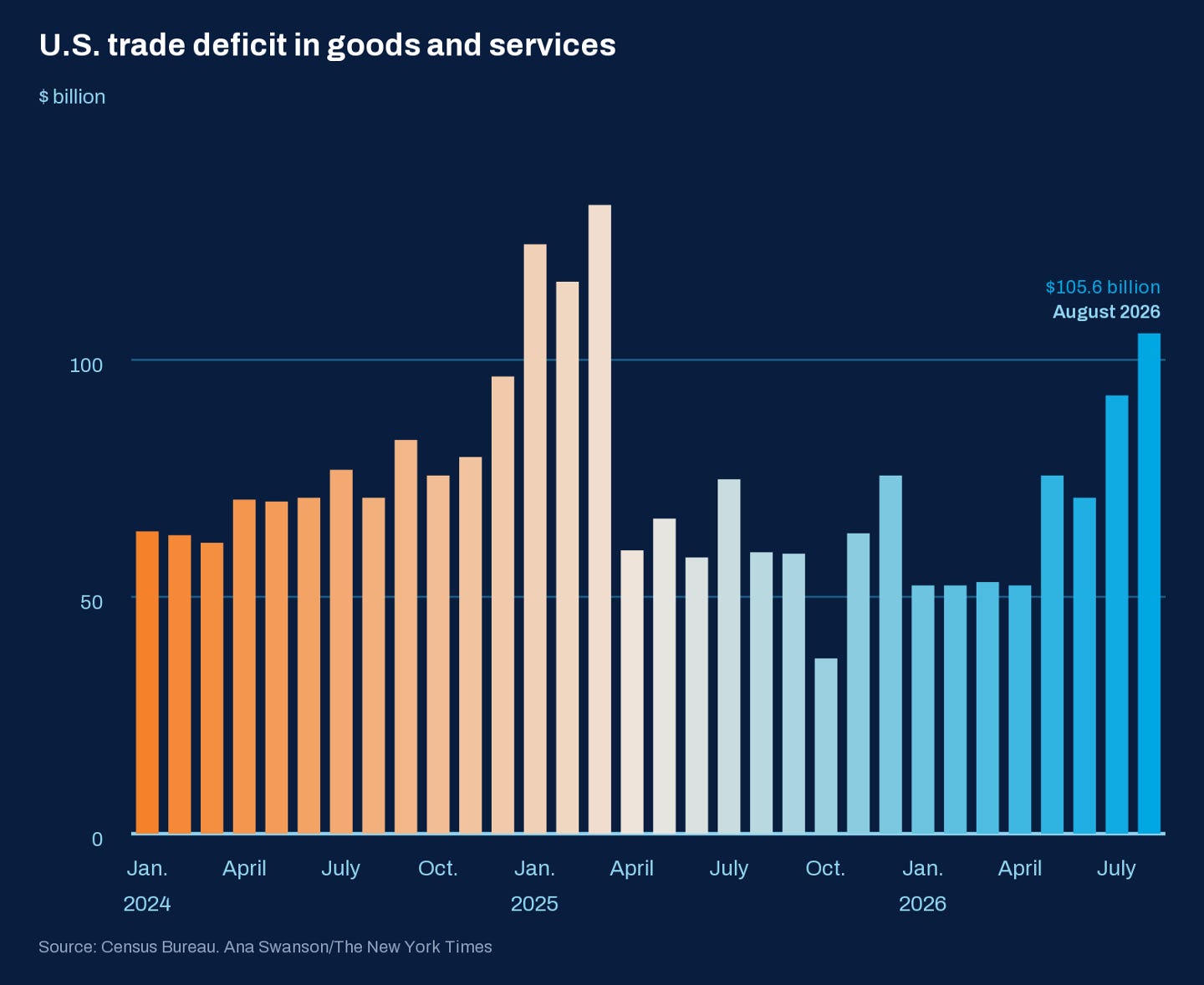
The big surge in IT spend (e.g. data centres) is widening the trade deficit further.
Four years ago, 54% of US mortgages were below the market rate. In 2025, that figure was 97%.
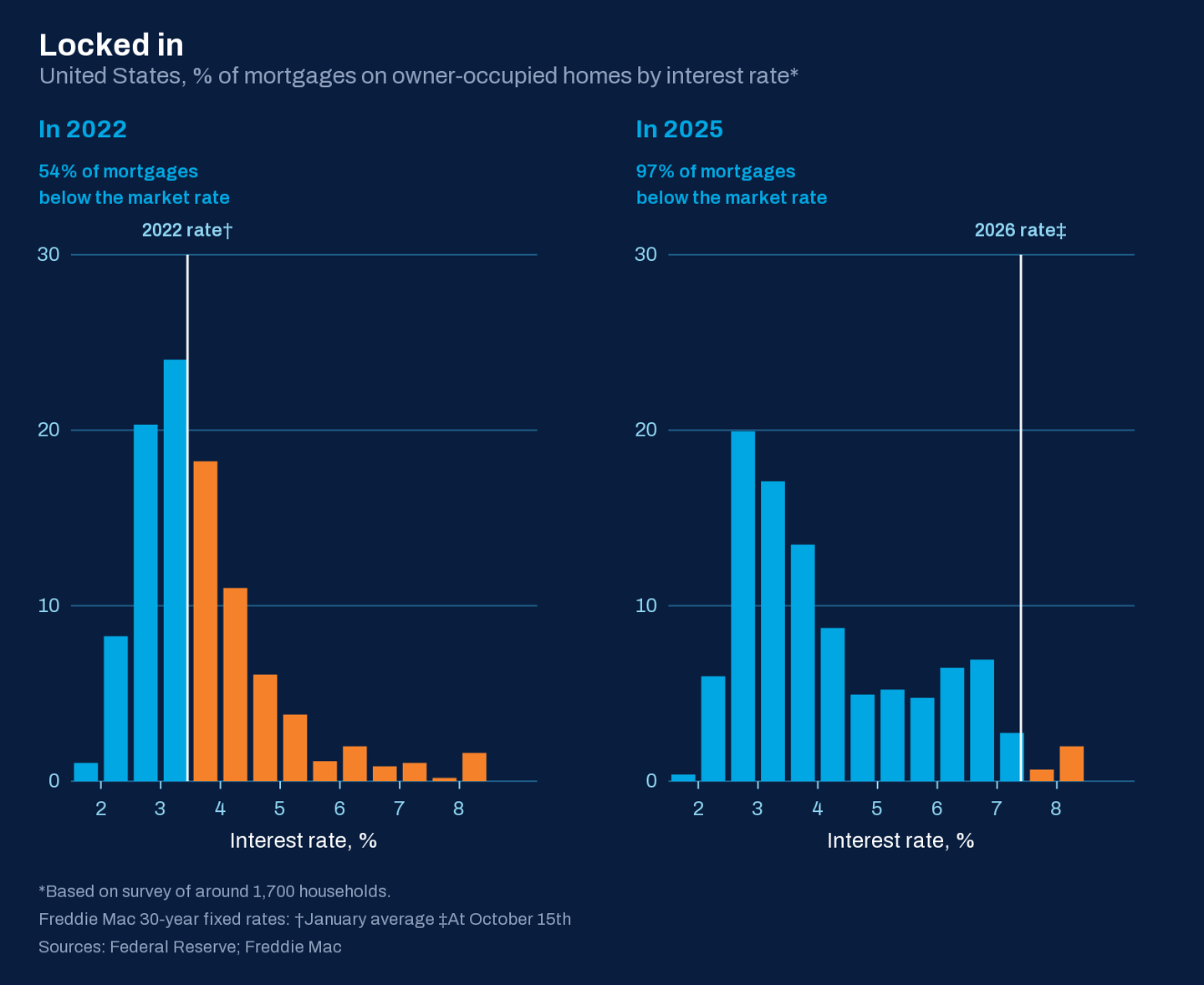
The US housing market is essentially frozen. This will impact many retirement plans.
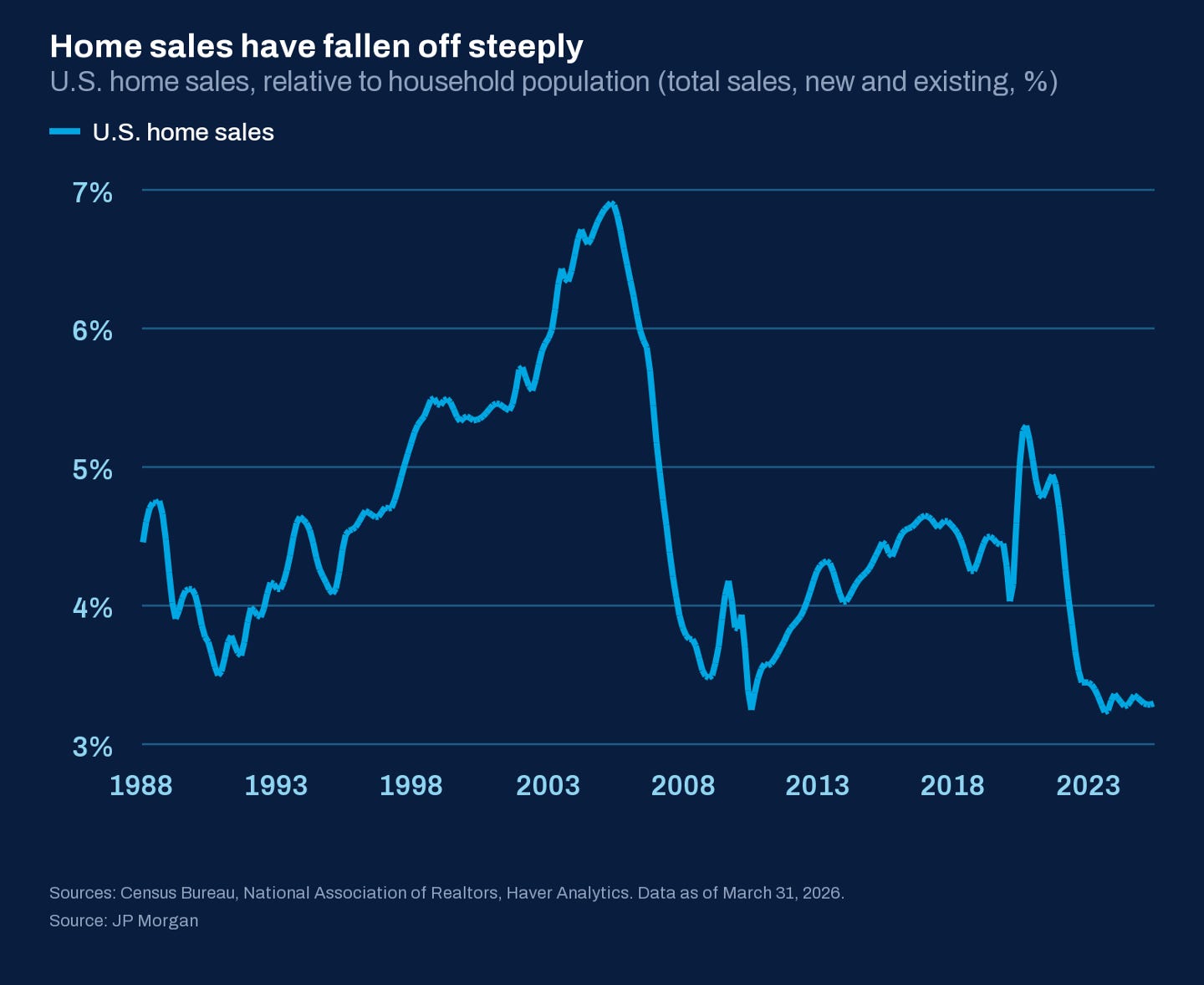
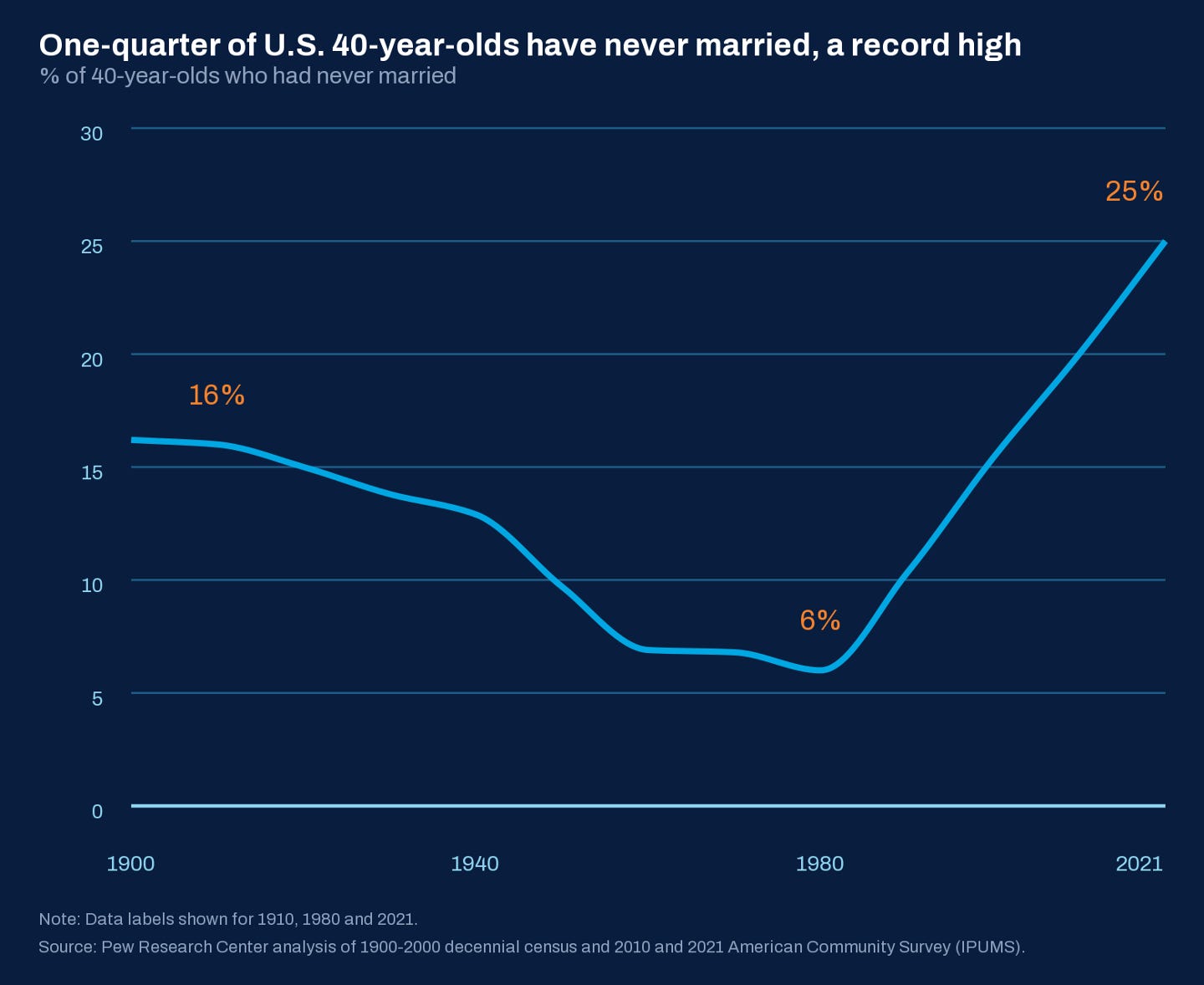
I’d guess this means fewer buyers in that frozen market. And less life satisfaction too.
It’s the economy. And Iran. And corruption. And Epstein. And the reflection pool. And, and, and…