Now, of course, Africa is not a country. We throw a continent’s name around as if it were a useful way to describe 54 countries and 1.6 billion people. But in gathering statistics and shaping narratives, “Africa” is used a lot. And in assembling charts, you can’t avoid the category.
I’m no expert on the place. I had the chance to visit once. Two weeks, bumbling around Ghana, studying small-scale forest enterprises. We wanted to know what made them succeed or fail.
I remember, vividly, sitting on the side of the road. Rob Kozak and I had just finished interviewing the charismatic leader of a small furniture-making collective. We were good academics, asking the right questions, concealing our biases (or so we thought).
At the end of the interview, the leader asked a question of his own. “Last year the Italians were here. The year before it was the Swiss. And now you Americans are here. When is something actually going to change?”
I didn’t feel inclined to point out we were Canadian. And what his question hammered home was something that had been disturbing me during the entire trip.
What that man and his community needed was not my curiosity, another research report, or an advocacy platform. They needed access to capital at a reasonable rate so they could invest in themselves, their businesses, and their communities.
The demography of this massive, young, diverse continent offers enormous upside. There are huge numbers of ambitious and capable people looking to do more. Unlike in the West, their markets aren’t saturated with choice and complacency. Basic, fundamental needs are unmet. Meeting those needs is a massive opportunity.
In my time teaching, working with incredible students from Africa building things (folks like Fisayo and Andrew come to mind) fills me with great optimism. What fills me with dread?
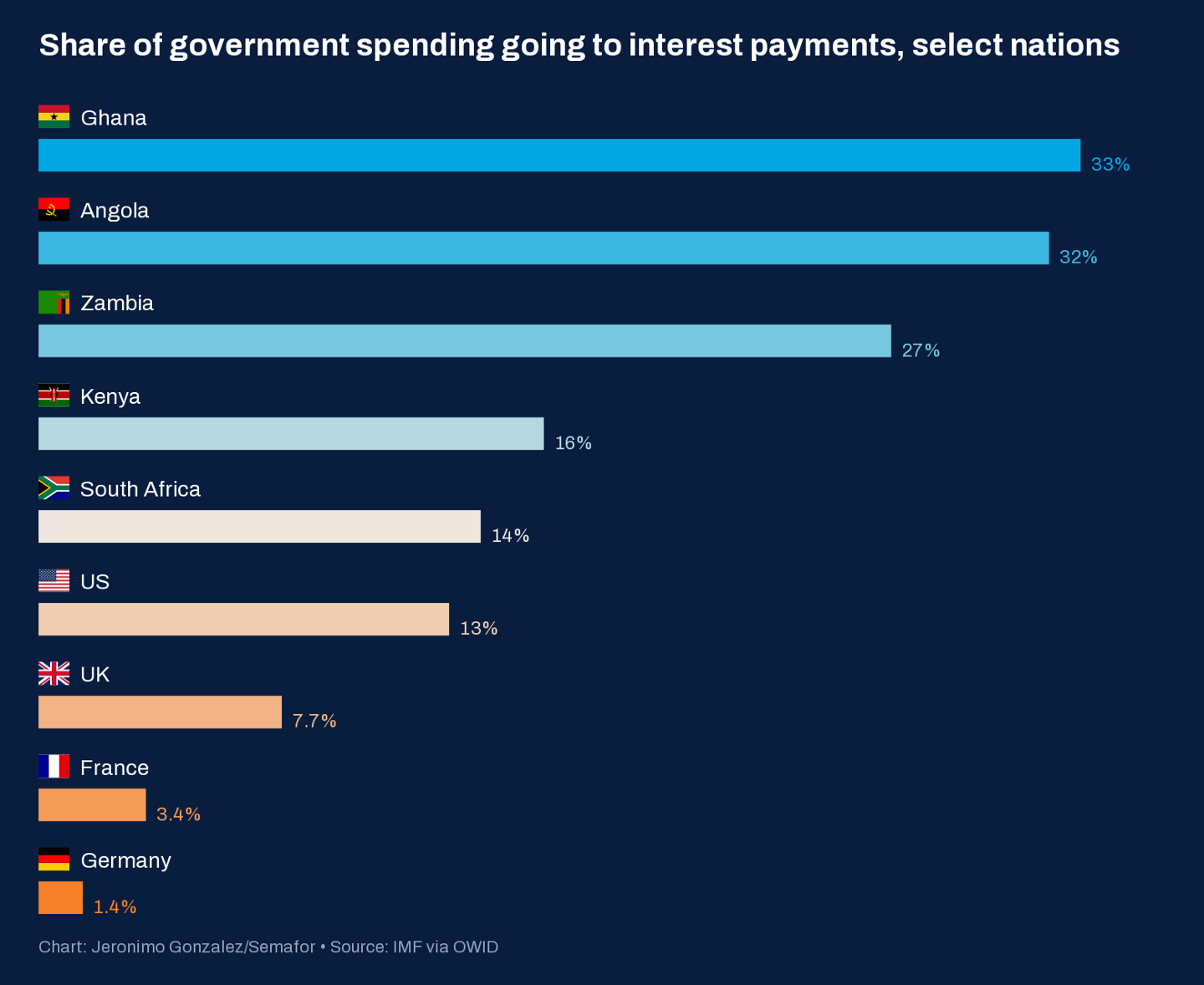
The massive fiscal challenges these countries face, largely in the form of debt. Sub-Saharan Africa’s total external debt has doubled in ten years, surpassing one trillion USD. Ghana’s interest payments are 33% of government spending.
But in the long run, would I rather solve problems for billionaires or the billions? The answer is obvious.
P.S. If you want an Africa-first perspective on things, I highly recommend The Continent.
The future of Africa is urban.
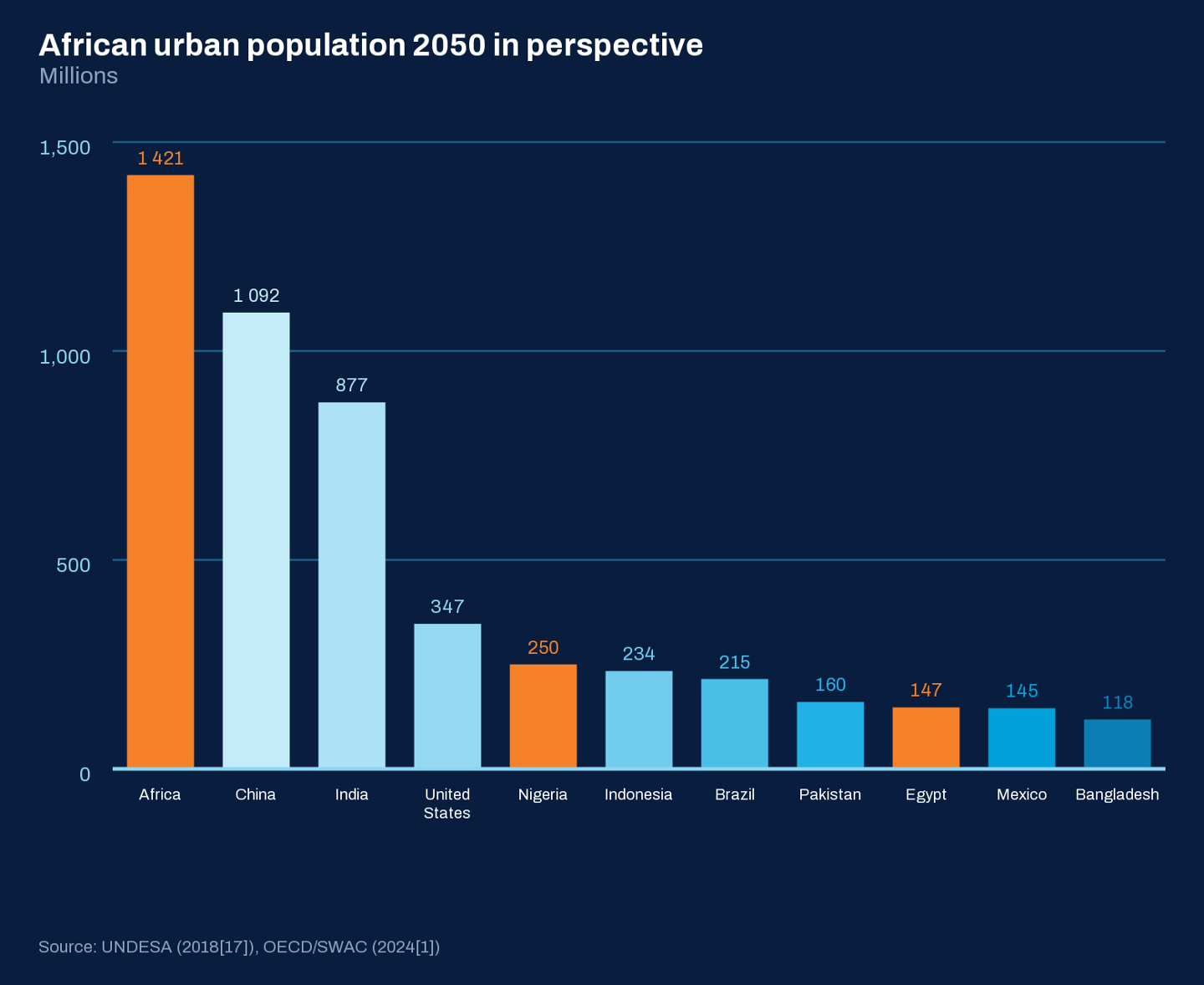
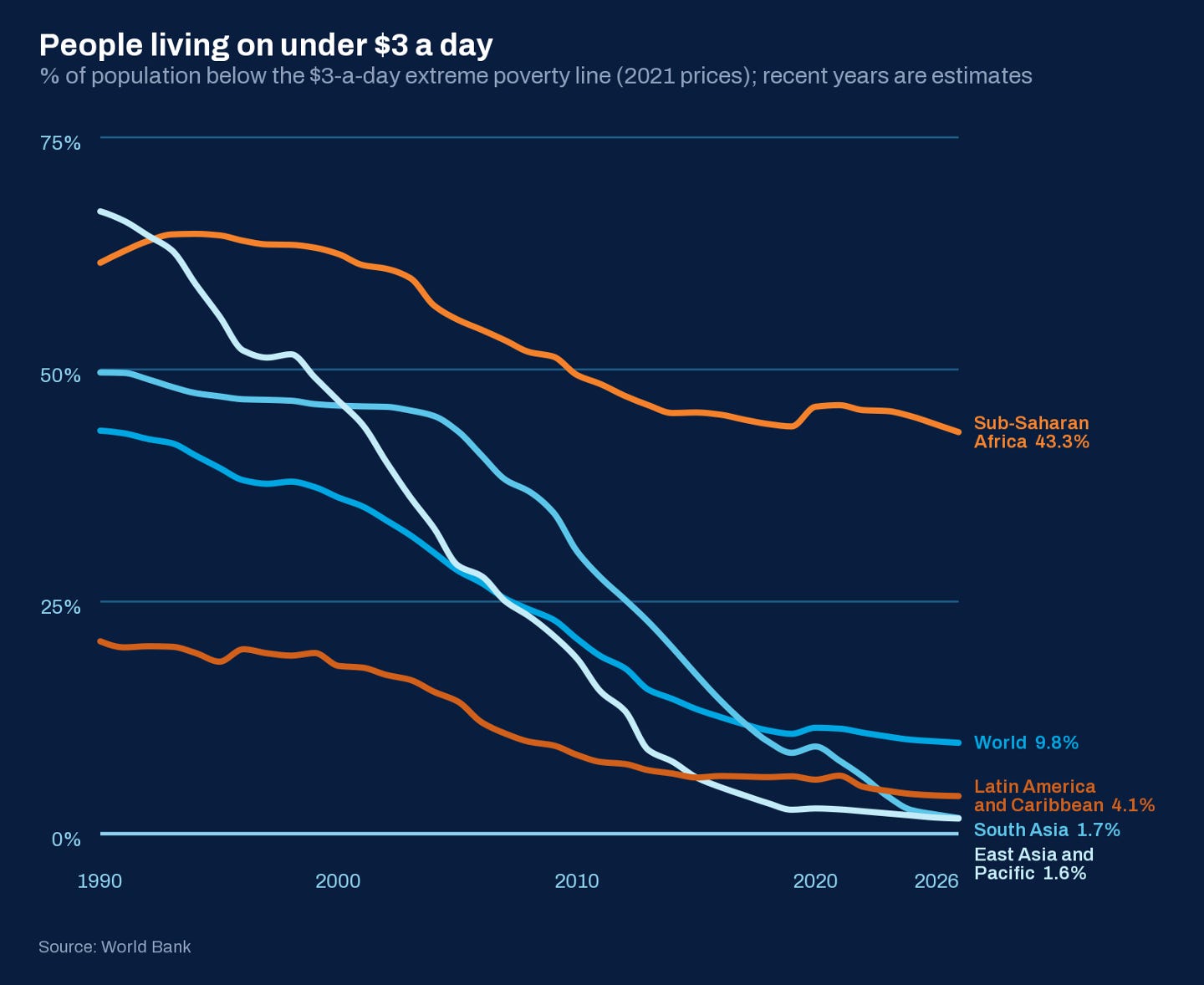
Global progress in poverty reduction has been tremendous. Sub-Saharan Africa sticks out.
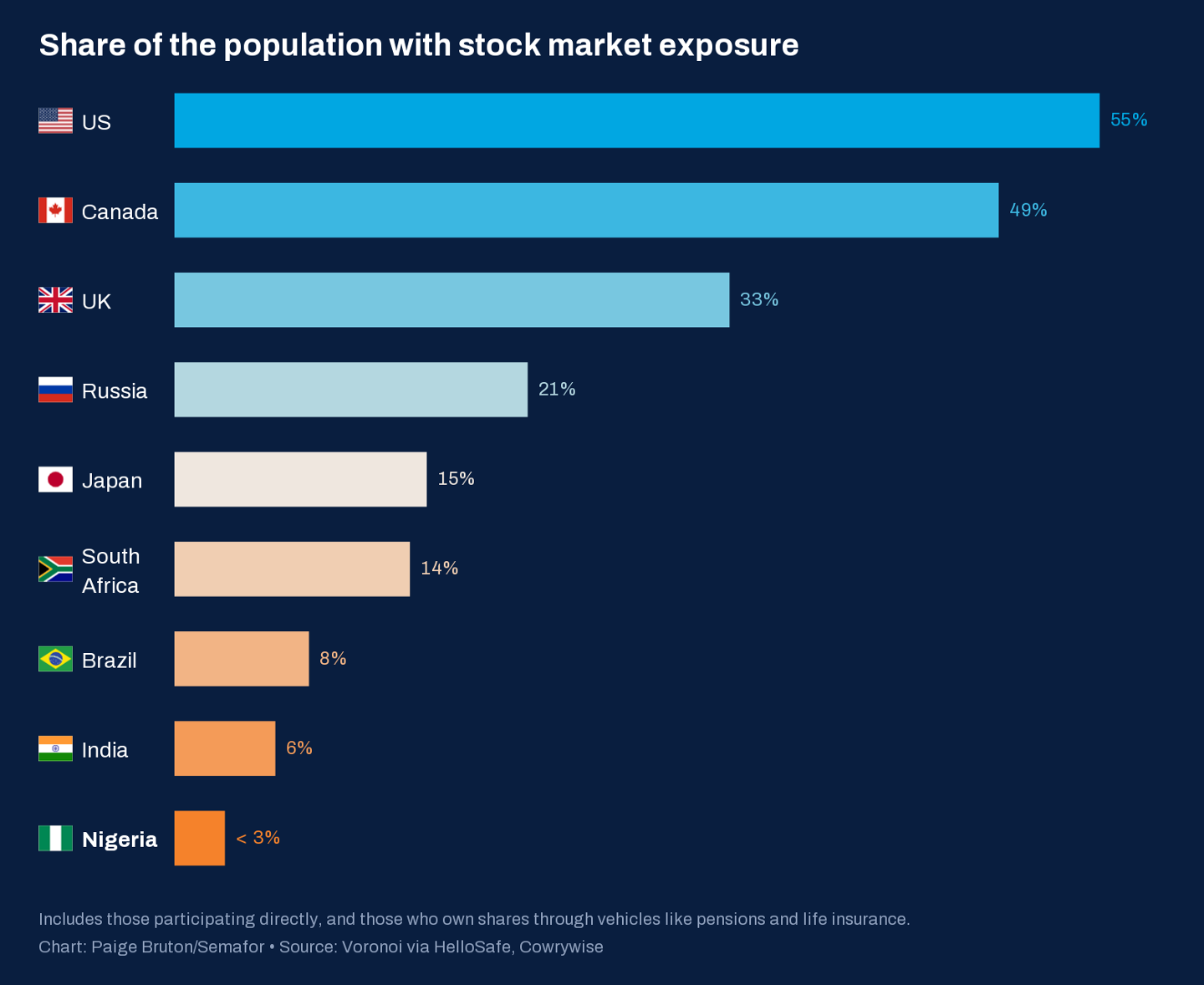
This is a next decade problem, but worth building the infrastructure now.
A doubling of debt in 10 years.
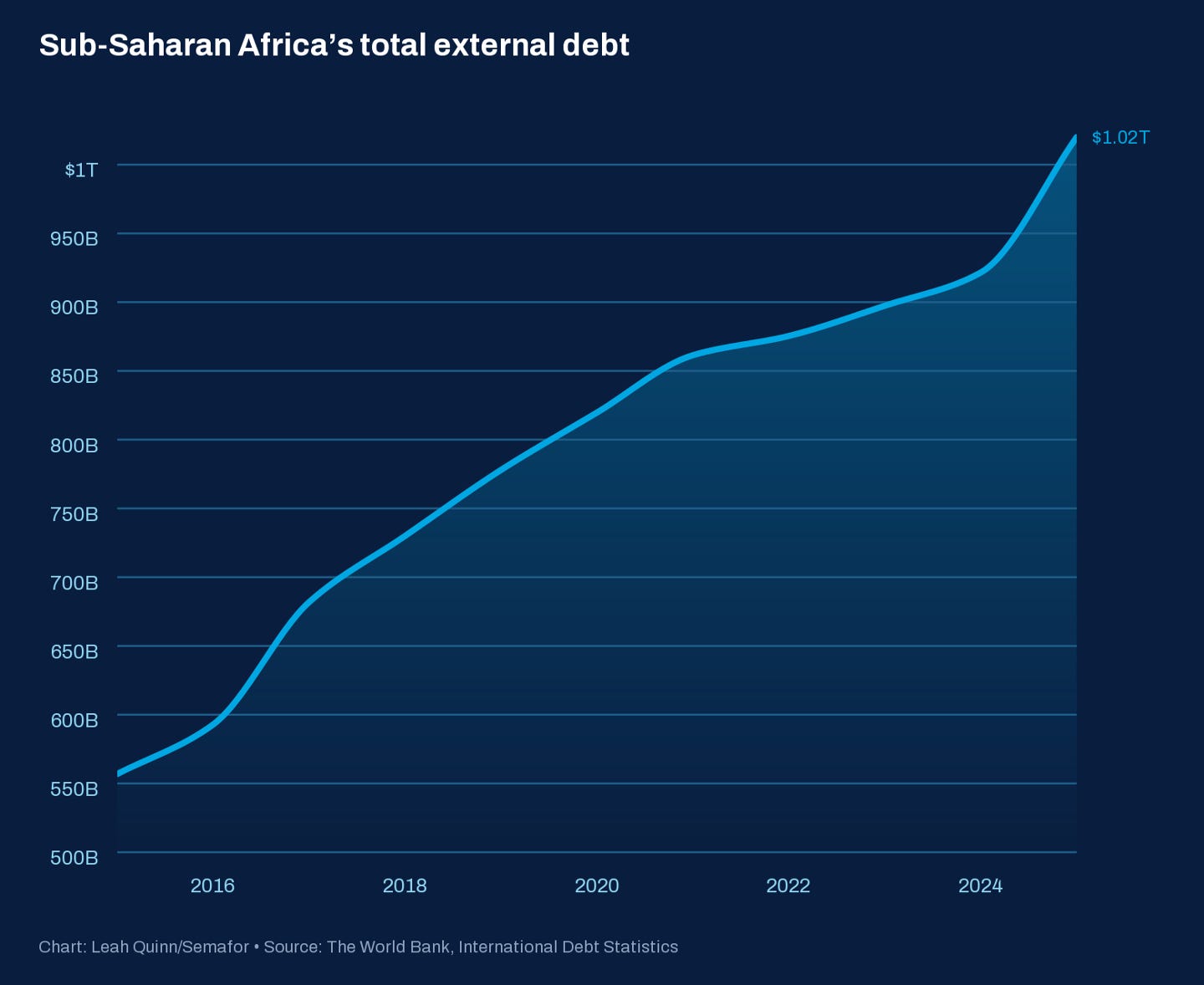
The service payments are stifling. I wonder if the EA movement sees an opportunity here.
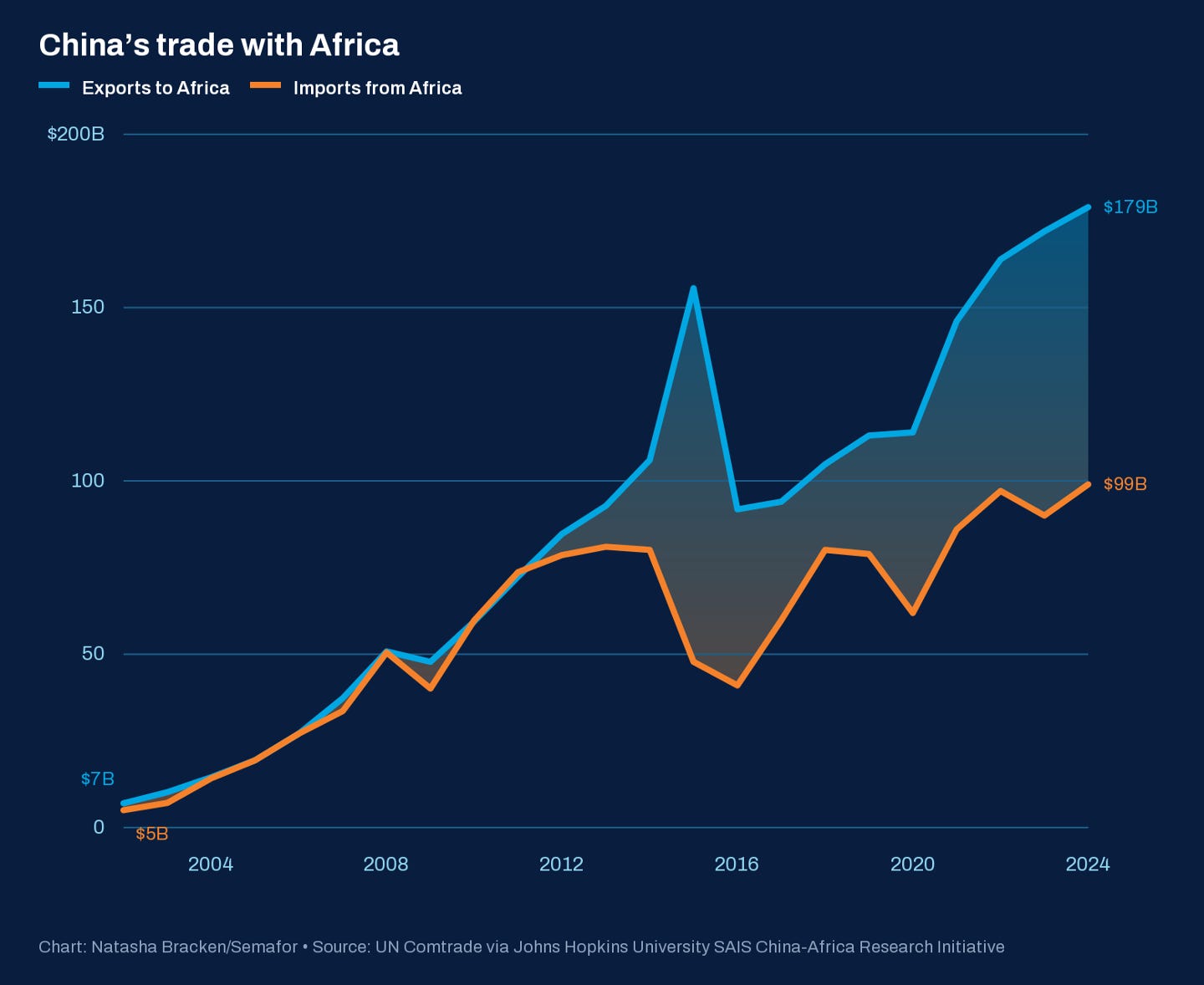
China’s role in this fiscal situation is noteworthy.
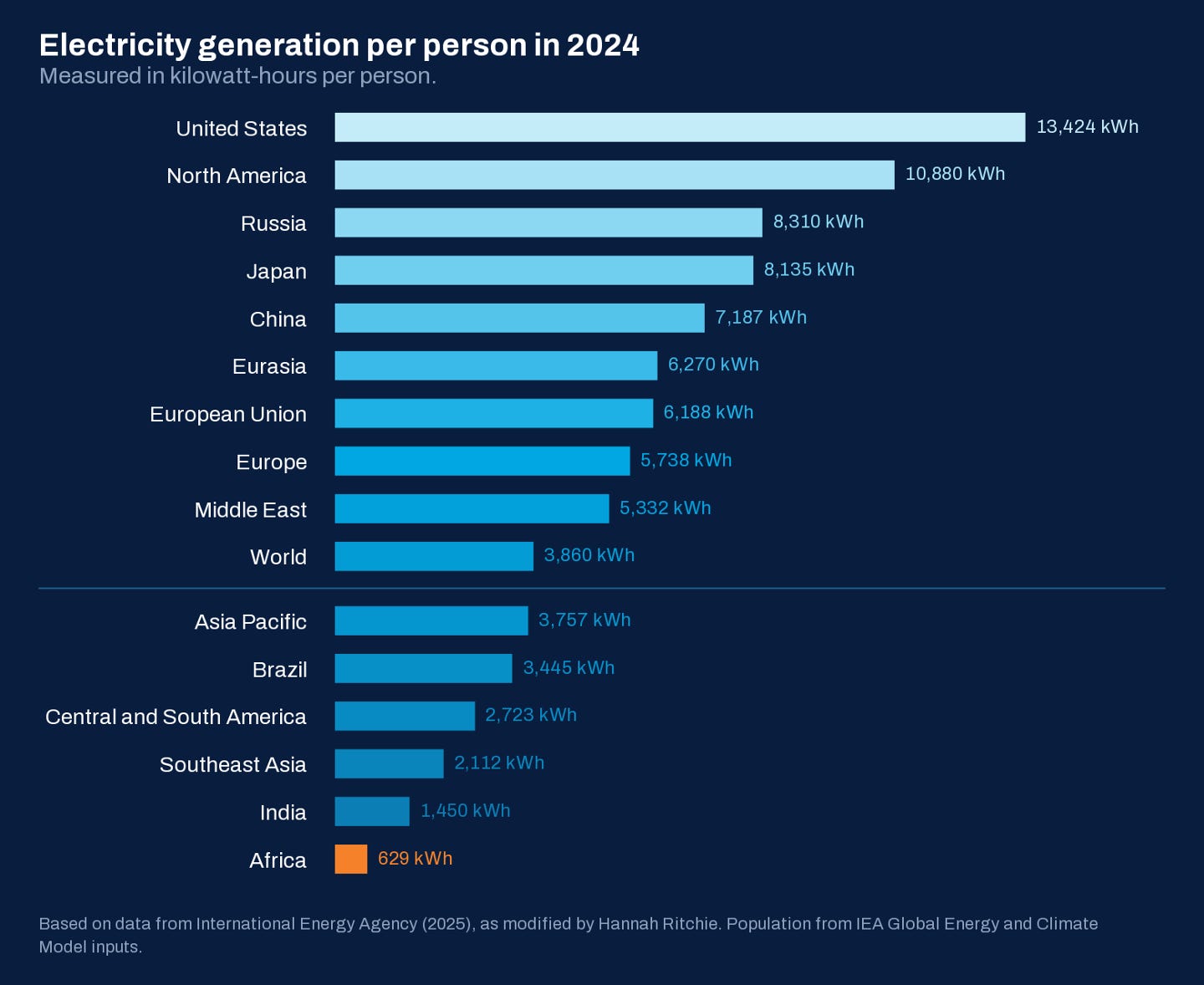
Staggering opportunity to increase per capita electricity generation.
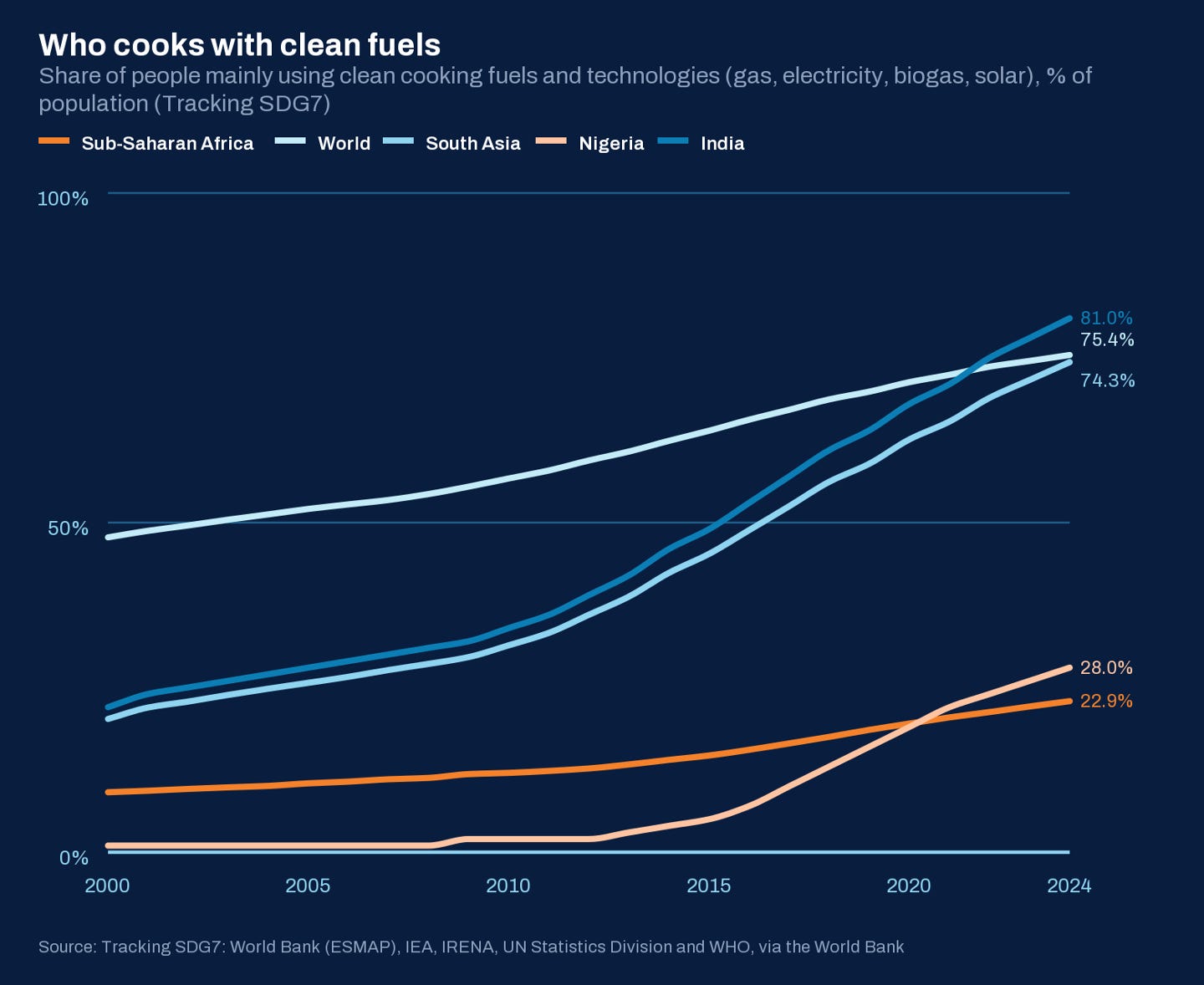
Here’s a boring, massive, climate problem.
And here’s your massive climate justice problem.
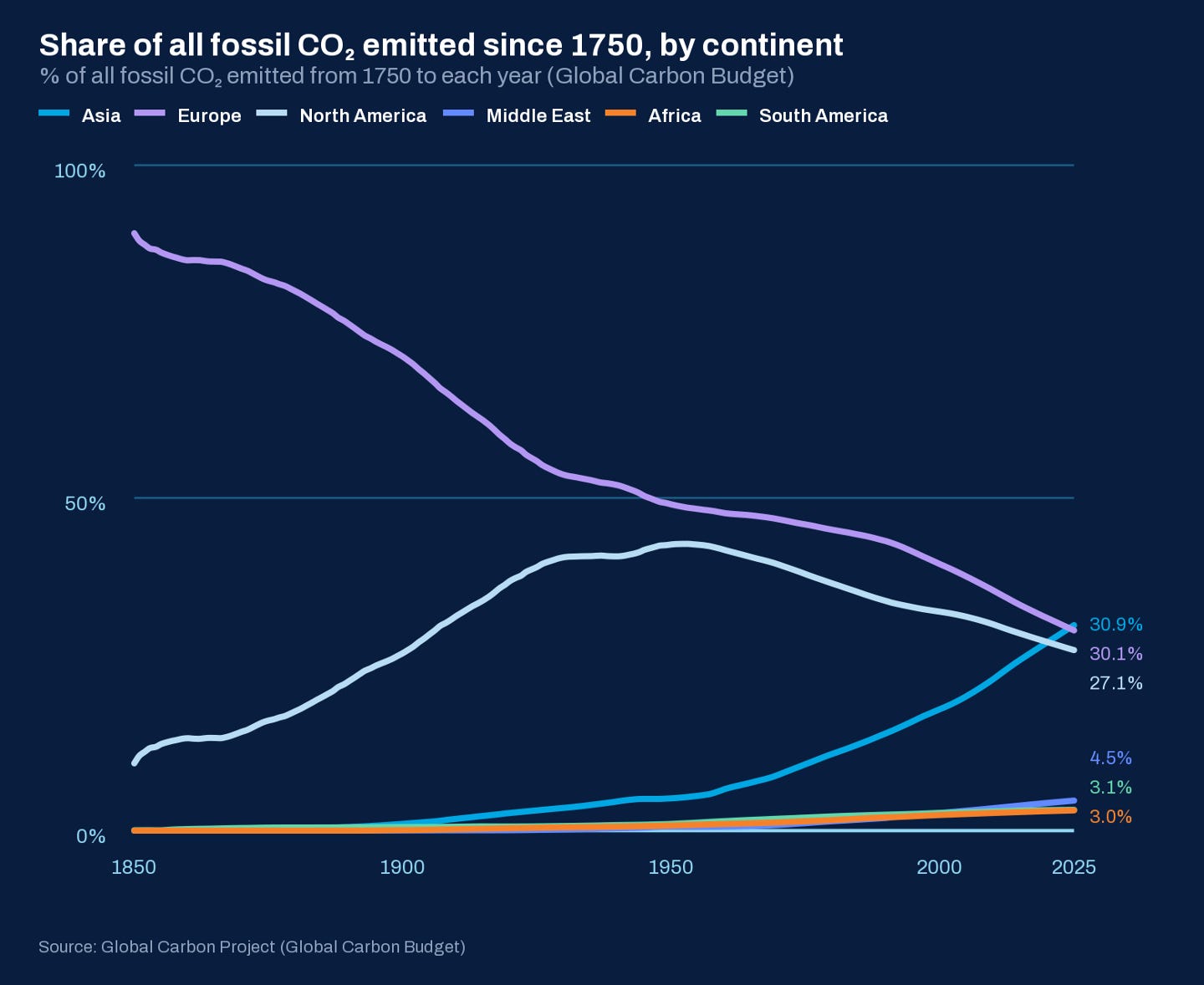
Source: Global Carbon Project (Global Carbon Budget)